Blog Creative Middle Eastern Appetizers with Moshalal Cheese
26 June, 2025

Creative Middle Eastern Appetizers with Moshalal Cheese

Similar

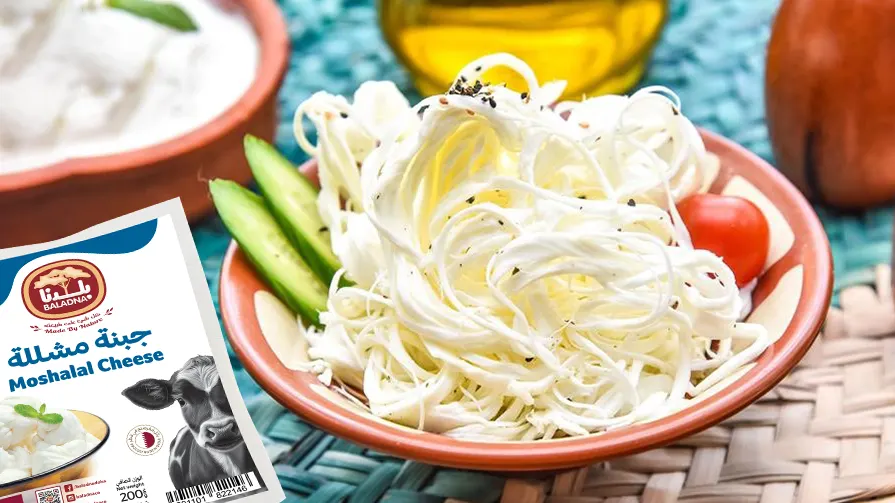
Originating in the Levant region, moshalal cheese has been a part of Middle Eastern culinary culture for centuries. It is enjoyed across many Middle Eastern countries, including Lebanon, Syria, and Jordan, where it holds a special place in traditional diets.


Made from fresh cow or goat milk, this versatile cheese is often likened to string cheese due to its unique texture and delightful flavor. It is not only popular for snacking but also serves as a key ingredient in a variety of creative appetizers that showcase its deliciousness. 


What can you make with moshalal cheese? Here are some ideas:


1. Moshalal Cheese & Herb Sticks

Cut the moshalal cheese into sticks and serve them with a variety of fresh herbs, such as mint, parsley, and cilantro. Drizzle with olive oil and sprinkle with a pinch of salt for a refreshing and flavorful appetizer.


2. Cheesy Spinach Puffs

Combine chopped spinach, moshalal cheese, and feta in a bowl. Spoon the mixture into phyllo pastry sheets, fold, and bake until crispy. These bites are perfect for entertaining and can be served warm or at room temperature.


3. Cheese and Za'atar Flatbread

Spread a mixture of moshalal cheese and za'atar on flatbread and bake until the cheese is bubbly. Cut into small squares for a savory snack that captures the essence of Middle Eastern flavors.


4. Moshalal Cheese Stuffed Zucchini

Hollow out small zucchini or courgettes and stuff them with a mixture of moshalal cheese, rice, diced tomatoes, and aromatic spices such as cinnamon and allspice. Place the stuffed zucchini in a baking dish, drizzle with olive oil, and bake until tender. 


5. Spiced Moshalal Cheese Rolls

Spread a thin layer of moshalal cheese onto a whole wheat tortilla or flatbread. Sprinkle with a mix of spices like cumin and paprika, then roll it up tightly. Slice into pinwheels for a quick, flavorful appetizer that’s easy to share at gatherings.


Whether enjoyed on its own or incorporated into creative dishes, this stringy cheese is sure to delight your taste buds and impress your guests. So, the next time you're looking to add a touch of Middle Eastern flavor to your gatherings, consider Baladna Moshalal Cheese as your star ingredient. Enjoy the rich traditions and vibrant tastes it brings to your table!

More Articles

Blog Traditional Greek Dishes with Feta Cheese You Must Try
14 May, 2024

Traditional Greek Dishes with Feta Cheese You Must Try

The world of feta cheese is a salty, crumbly one - and we have Greece to thank for that. This cheese has been a favorite in many cultures and cuisines for centuries, and are you even surprised? It’s delicious and goes well with so many different meals. It’s also what makes Greek Salad so irresistible. Aside from its savory goodness, it’s also loaded with essential vitamins and minerals. It’s also packed with protein and light on the fat, so it’s a win-win option for those who lead a healthy lifestyle. The best part about feta cheese is its versatility. One can’t help but get creative with this type of cheese, and we’re here to share two dishes that you must try to make with the feta cheese you have hanging around in your fridge. SpanakopitaSpanakopita is a beloved Greek snack and one of the most popular dishes in Greek cuisine, and for good reason. It is a flaky pastry parcel filled with a delicious combination of sautéed spinach, gooey feta cheese, and a unique blend of herbs and spices. It makes for a great appetizer, side dish, or even a light meal. To make the filling, sauté the spinach with onions and garlic to add a rich depth of flavor that pairs nicely with feta cheese. Once cooled, add chopped parsley, crumbled feta, grated Parmesan cheese for extra cheesy goodness, and some salt and pepper to taste. You could also add your favorite herbs and spices as well. The pastry used to make spanakopita is light and flaky, and is usually made from layers of butter and flour, rolled out, and filled with spinach and feta. Alternatively, you can use store-bought phyllo pastry to make the preparations much easier. All you have to do is butter a pan and layer your phyllo pastry on top of each other, with butter separating the layers. Pour the spinach and feta mixture over the phyllo dough layers and then fold the edges of the phyllo dough over the spinach mixture. Bake in a pre-heated 375°F oven for 30-40 minutes or until golden brown.Baked FetaWhen cooking with feta, using only the finest Greek feta is key. That is because feta from Greece is known for its superior flavor, texture, and quality. Baked feta, in particular, requires the best feta to ensure a delicious and memorable meal. This traditional Greek recipe is a must-try! All you have to do is bake a block of feta with tomatoes, peppers, and onion to create a wonderfully aromatic dish that will impress. The combination of flavors creates an unbeatable combination of salty, tangy, and sweet. To prepare this recipe:1. Preheat your oven to 375°F.2. Cut the feta into cubes and place in a baking dish.3. Add the tomatoes, peppers, and onion, and drizzle with olive oil.4. Sprinkle with oregano, basil, and salt and pepper to taste.5. Bake in the preheated oven for 25 minutes.The feta cheese will soften and melt into the vegetables, while the tomatoes and peppers will become slightly charred. Adding herbs and spices will infuse the entire dish with a delicious aroma. It’s always better with feta Feta cheese is a magical ingredient that can leave different types of palates amazed. From salads to appetizers, there is so much you can do with feta cheese. If you want the finest Greek feta cheese, check out what Baladna has to offer. We pride ourselves on bringing only the best exotic cheeses to the market. So, if you want to take Greece to your home, order our feta cheese now!

Blog Discover the Benefits of Yoghurt as a Staple in Your Diet
10 October, 2024

Discover the Benefits of Yoghurt as a Staple in Your Diet

Yoghurt has been consumed by humans for thousands of years. It is a delicious and nutritious food that is rich in protein, calcium, and other essential nutrients. In recent years, yoghurt has become increasingly popular as a staple in many people’s diets, thanks to its many health benefits. If you wish to improve your overall health and well-being, then adding yoghurt to your daily diet could be an excellent step in the right direction. This article discusses the various benefits of yoghurt and why you should consider making it a regular part of your diet.Appreciating yoghurtYoghurt is a fermented dairy product made by adding live bacteria cultures to milk. The bacteria convert lactose, the natural sugar in milk, into lactic acid, which gives yoghurt its tangy flavor and thick texture. Yoghurt can be made from various types of milk, including cow, goat, sheep, and even plant-based alternatives like soy and almond milk.Yoghurt is nutrient-denseYoghurt is a nutrient-dense food, which means it contains a high amount of essential nutrients with relatively few calories. A typical eight-ounce serving of plain yoghurt provides the following:Calories: 149Fat: 8gSodium: 113mgCarbohydrates: 11.4gFiber: 0gSugars: 11.4gProtein: 8.5gPhosphorus: 233 mgCalcium: 296mgRiboflavin: 0.34mgYoghurt is also a fantastic source of probiotics, which are beneficial bacteria that reside in our gut and promote digestive health. Probiotics can help improve bowel regularity, boost the immune system, and alleviate symptoms of digestive disorders such as irritable bowel syndrome.It can help with weight managementYoghurt can be an effective food for weight management because it is high in protein and low in calories. Protein is a satiating nutrient that can help you feel full and satisfied, which can prevent overeating and snacking between meals. The calcium in yoghurt can help regulate metabolism and reduce the amount of fat absorbed by the body. Studies have shown that including yoghurt in your diet can help with weight loss and weight maintenance. In one study, overweight women who ate yoghurt as part of a reduced-calorie diet lost significantly more weight than those who didn’t consume yoghurt.It can improve bone healthCalcium, which is necessary for maintaining strong and healthy bones, is abundant in yoghurt. The main mineral that forms bones is calcium, and a lack of it can cause osteoporosis, which is characterized by brittle and frail bones.The vitamin D in yoghurt can help the body absorb calcium more efficiently. It is a fat-soluble vitamin that is naturally found in a few foods, including fatty fish, egg yolks, and mushrooms that have been exposed to sunlight. However, most people get their vitamin D from fortified foods or supplements.It is versatile and deliciousAs a versatile food, yoghurt can be consumed in a variety of ways. It may be consumed unflavored or with the addition of fruit, honey, or other natural sweeteners. It can also serve as the foundation for sauces, dressings, dips, and smoothies.Greek yoghurt, which is strained to remove the whey, is thicker and creamier than regular yoghurt and contains more protein. It can be used in recipes that require a thicker consistency, such as cheesecake, muffins, and pancakes.It is a convenient and portable snackYoghurt is a convenient and portable snack that can be enjoyed on the go. It can be packed in a lunchbox or kept in the office fridge for a quick and easy snack. Yoghurt cups and drinkable yoghurt bottles are also available in most grocery stores and vending machines.Embrace the goodness with Baladna yoghurt  Whether you prefer Greek, plain, or flavored yoghurt, ensuring that it is a regular part of your diet can help you reap the many benefits it has to offer. So, why not add a serving of yoghurt to your daily eating routine and enjoy the many benefits yoghurt has to offer?Get your daily yoghurt serving with Baladna! We ensure consumers’ wellness by providing natural, nutritious, and tasty foods and beverages while maintaining the most rigorous food safety and biosecurity protocols. Get your delicious yoghurt now!

Blog Understanding How Long Cheese Can Stay Out of the Fridge
27 October, 2024

Understanding How Long Cheese Can Stay Out of the Fridge

Cheese is a versatile and delicious ingredient that finds its way into various dishes. It is a staple in many households — from gourmet cuisine to late-night snacks. However, storing cheese properly ensures it remains fresh and tasty. One common question arises: how long can cheese stay out of the refrigerator? We’ve put together a quick guide that will help you understand the factors that affect the shelf life of cheese and how long it can be kept out of the fridge.Factors affecting the shelf life of cheese Several factors can influence how long cheese can stay out of the refrigerator. These factors include the type of cheese, the environment's temperature, and the humidity levels.1. Type of cheeseThere are hundreds of different types of cheese, and they all have other properties that affect their shelf life. For instance, hard cheeses like cheddar cheese, gouda, and parmesan can stay out of the fridge longer than soft cheeses like brie, camembert, and blue cheese. This is because hard cheeses have a lower moisture content, making them less susceptible to bacterial growth.2. TemperatureThe environment's temperature plays a crucial role in how long cheese can stay out of the refrigerator. The warmer the temperature, the quicker bacteria will grow and spoil the cheese. The perfect temperature for storing cheese is between 35°F and 45°F (1.6°C and 7.2°C). However, most cheeses can be safely left out at room temperature (around 70°F or 21°C) for a short period.3. HumidityHumidity is another factor that affects how long cheese can stay out of the fridge. High humidity levels can cause the cheese to spoil faster due to increased microbial growth. On the other hand, low humidity levels can make the cheese dry out and lose its flavor.How long can different types of cheese stay out of the fridge? Now that we know the factors that affect the shelf life of cheese, let's look at how long different types of cheese can stay out of the refrigerator.1. Hard cheesesAs mentioned earlier, hard cheeses like cheddar, gouda, and parmesan have a lower moisture content, making them less susceptible to bacterial growth. These cheeses can generally be left out at room temperature for up to 8 hours. However, consuming them within 4 hours is best to ensure the best flavor and quality.2. Semi-hard cheesesSemi-hard cheeses like provolone, swiss, and Monterey Jack can be left at room temperature for up to 4 hours. After this time, the risk of bacterial growth increases, and the cheese should be refrigerated.3. Soft cheesesSoft cheeses like brie, camembert, and blue cheese are more perishable and should not be kept outside of the fridge for more than 2 hours. This is because their high moisture content makes them more susceptible to bacterial growth.4. Fresh cheesesFresh cheeses like mozzarella, ricotta, and cottage cheese are the most perishable and should never be left out of the fridge for more than 1 hour. These cheeses have a very high moisture content, making them a breeding ground for bacteria.Tips for storing cheese properlyTo ensure your cheese stays fresh and delicious, follow these storage tips:1. Wrap the cheese in wax or parchment paper instead of plastic wrap. This allows the cheese to breathe and prevents it from becoming too damp.2. Store cheese in a designated cheese drawer or container in the refrigerator. This helps maintain a consistent temperature and humidity level.3. If you're storing multiple types of cheese, keep them separated to prevent cross-contamination and flavor transfer.4. Don't store cheese next to strongly flavored foods like onions or garlic, as it can absorb their flavors.5. When serving cheese at a party or gathering, only put out small portions at a time. This helps prevent the cheese from sitting out too long and becoming unsafe.Get your cheese todayBy understanding the factors that affect the shelf life of cheese and following the above storage tips, you can ensure that your cheese stays fresh and tasty for as long as possible. Whether enjoying a simple cheese platter or incorporating cheese into your favorite recipes, proper storage and handling will help you maximize your cheese experience and minimize waste. If you’re looking for some high-quality cheese, Baladna is here for you. Our range of authentic, fresh, and quality dairy products reflects our dedication to animal welfare and sustainability. To see our variety of locally-produced options, check out our products today and see our ongoing efforts to create a more sustainable and self-reliant future in food production.

Blog 6 Benefits of Including Feta Cheese in Your Daily Diet
05 September, 2024

6 Benefits of Including Feta Cheese in Your Daily Diet

Feta cheese is a soft and crumbly white cheese made from cow's milk. Being a traditional Greek cheese, feta cheese is now a staple in many cultures and cuisines worldwide. Its unique flavor and texture cannot be compared to any other cheese out there. Not only is it tasty, but feta cheese also provides several health benefits that make it a great addition to your daily diet. Here are six of them:1. Rich in nutrientsFeta cheese is a nutritious food option that provides important vitamins and minerals for the body. It is low in fat and calories, making it an ideal choice for people who are trying to control their weight. It is packed with essential nutrients like calcium, phosphorus, vitamin B12, and riboflavin, making it a great addition to any diet.2. Source of proteinFeta cheese is a type of cheese that is high in protein, providing 6 grams of protein per ounce.3. Boosts immunityFeta cheese is a good source of Vitamin B12, a nutrient that can help strengthen the body's immune system, making it more resistant to illnesses and infections. 4. Rich in antioxidantsFeta cheese is full of beneficial antioxidants that can defend your body's cells from harm caused by dangerous molecules known as free radicals.5. Improves bone healthFeta cheese is rich in calcium, which is an essential mineral for keeping bones strong and healthy. It is especially important for those at risk of developing osteoporosis, as it helps reduce the risk of the disease by making bones more resilient.6. Source of phosphorusFeta cheese is a good source of phosphorus, providing about 17 milligrams of phosphorus per 30-gram serving. Phosphorus helps regulate the body’s acid-base balance and is also important for the growth and repair of body tissues.What’s more, feta cheese is a versatile ingredient Feta is a great ingredient to have on hand, as it can be used in many different recipes. Whether crumbled on top of a salad, placed as a topping over pizza, or mixed into a casserole, feta adds a unique flavor that can truly elevate your dish.How to know the authenticity of feta cheese?Authentic feta cheese is made with cow's milk, rennet, and salt. It should have a crumbly texture and a salty, tangy flavor. Buying quality and authentic feta cheese will ensure you get the maximum flavor and health benefits.The bottom lineAdding feta cheese to your daily diet can provide numerous health benefits. Not only is it rich in nutrients and vitamins, but it is also low in fat and calories, making it a great option for those looking to maintain a healthy weight.Baladna offers high-quality, authentic feta cheese made with 100% cow's milk. It is a great choice for those looking to add delicious and nutritious cheese to their diet. Its crumbly texture and salty flavor make it a great addition to salads, pizzas, and sandwiches. Buy now!