Blog Mila’s Healthy Snack Checklist
26 August, 2025

Mila’s Healthy Snack Checklist

Download

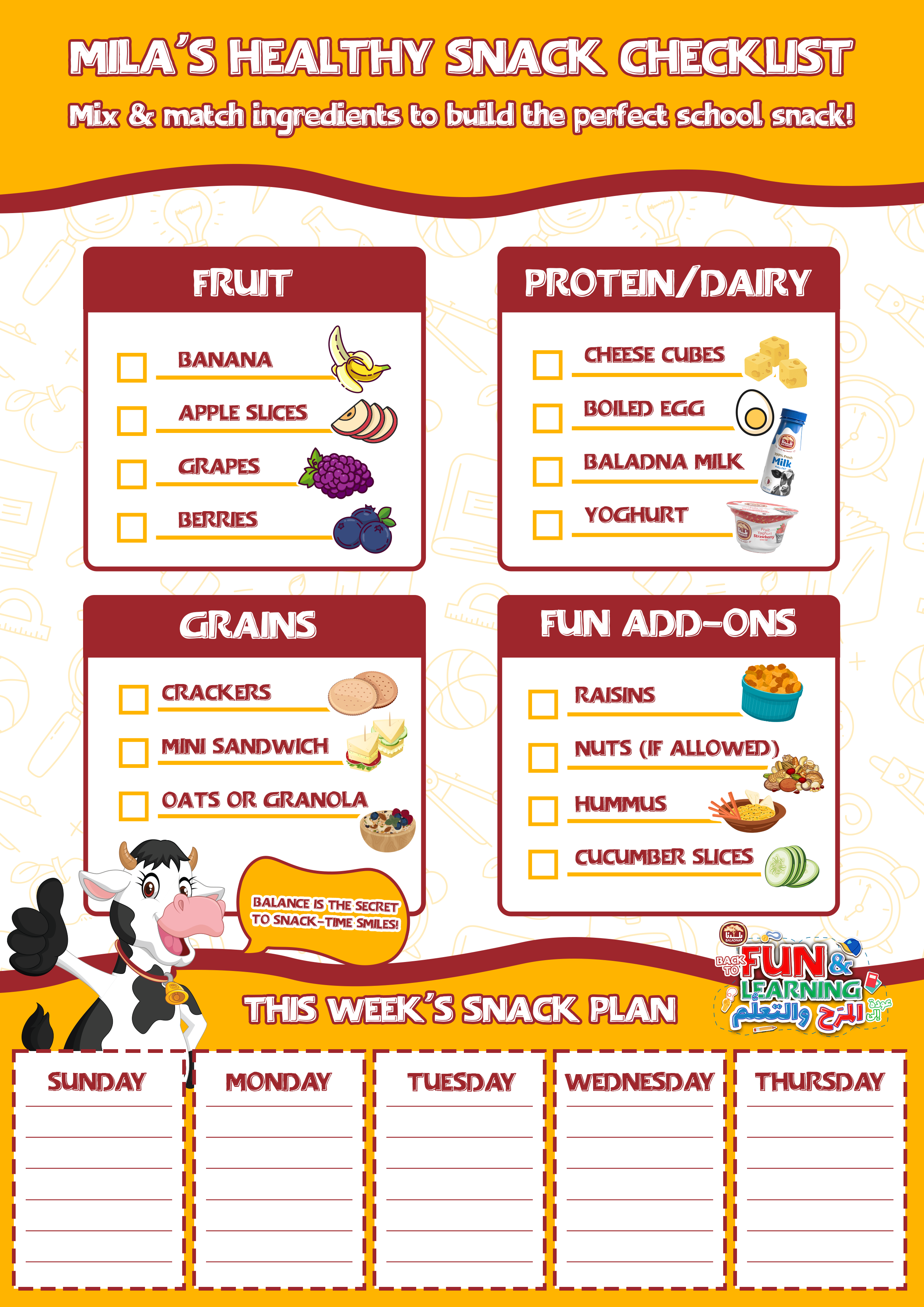
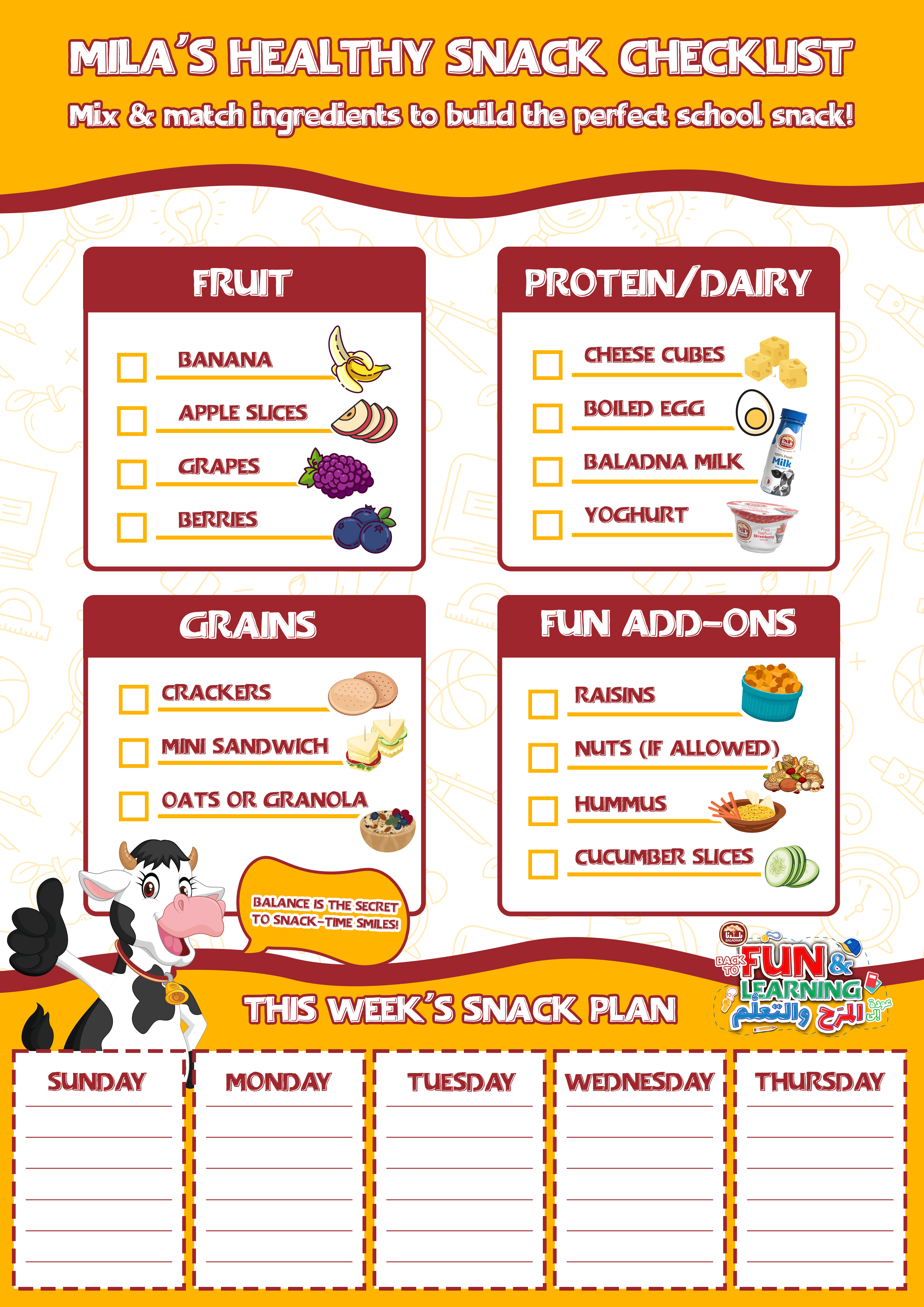
Packing a school snack just got easier. With Mila’s checklist, kids can mix and match fruits, dairy, grains, and fun add-ons to create balanced, tasty snacks. It’s a fun way for families to plan together and keep lunchboxes exciting all week long

Download

More Articles

Blog Majdoula Cheese: Perfect for Grilled Cheese
26 June, 2025

Majdoula Cheese: Perfect for Grilled Cheese

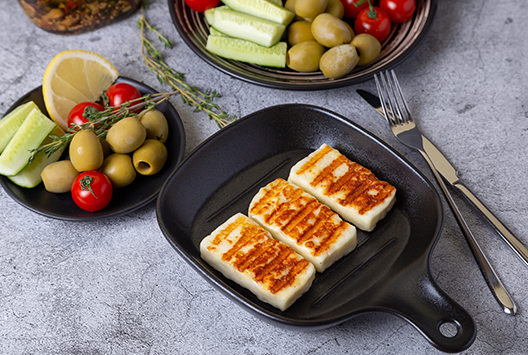
Majdoula cheese is a traditional Middle Eastern cheese with a distinctively braided shape, often compared to mozzarella for its semi-soft texture, yet it boasts a flavor profile that’s far more nuanced. Its name, “Majdoula,” comes from the Arabic word meaning "braided" or "twisted," referring to the way this cheese is shaped during production. Commonly enjoyed across Lebanon, Syria, and Jordan, this cheese is becoming increasingly popular worldwide. What Makes Majdoula Cheese Special?Majdoula cheese is typically made from sheep, cow, or goat milk, or a combination of these. The cheese has a slightly salty flavor, which develops through the process of being brined. Like many cheeses in the Middle East, Majdoula is soaked in salt water to preserve it and enhance its taste. The brining process also helps create its firm yet elastic texture, making it an ideal candidate for grilling.This cheese is often served fresh, with olive oil and herbs, but its true magic shines when heated. When grilled, Majdoula develops a crispy, golden crust while maintaining a creamy, gooey interior. This dual texture makes it ideal for creating an unforgettable grilled cheese sandwich.Why Majdoula Cheese is Perfect for Grilled CheeseGrilled cheese is about balancing flavors and textures, and Majdoula’s salty, rich taste makes it an excellent match for the job. The cheese’s stringy nature, thanks to its braided structure, melts evenly when heated, creating that stretchy pull that everyone loves in a grilled cheese sandwich.Here are a few reasons why Majdoula excels in a grilled cheese:Melting Point: While some cheeses may melt too quickly or not enough, Majdoula has a perfect melting point. It melts slowly, allowing it to retain some structure while still becoming soft and creamy inside.Texture: Its slightly firmer, fibrous texture before grilling contrasts beautifully with the soft, gooey consistency it takes on once melted.Flavor: The briny and slightly tangy taste of Majdoula adds a rich layer of flavor to a grilled cheese that can elevate it beyond the usual cheddar or mozzarella.How to Make a Majdoula Grilled CheeseMaking a grilled cheese with Majdoula is simple and rewarding. Here's a step-by-step guide to bring out the best of this cheese in your sandwich:1. Choose your bread: Go for a rustic bread like sourdough or a good country loaf. The crunchier the crust, the better it will complement the creamy texture of the cheese.2. Prepare the cheese: If your Majdoula cheese is fresh from the brine, give it a light rinse to remove excess salt. Slice or pull apart the braids to your desired thickness.3. Add your favorite toppings: You can pair Majdoula with roasted vegetables like tomatoes or zucchini, or add some fresh herbs like thyme or oregano. If you prefer a more decadent option, drizzle some olive oil or even honey for a sweet-savory contrast.4. Grill to perfection: Heat a pan with butter or olive oil on medium heat. Place the sandwich in the pan and let it cook slowly. Grill each side for 3-4 minutes or until golden brown and the cheese inside is melted.And don’t forget to serve and enjoy! If you love experimenting with cheeses or are just seeking a break from the usual grilled cheese, try Baladna Majdoula for your next meal. It’s a traditional cheese that adds both depth of flavor and a bit of culinary adventure to your plate.

Blog Greek Yoghurt vs. Regular Yoghurt: Which One Is Right For You?
03 October, 2024

Greek Yoghurt vs. Regular Yoghurt: Which One Is Right For You?

Yoghurt is a staple in many diets across the globe and is known for its creamy texture and tangy flavor. This versatile, protein-packed food can be enjoyed with fruits, nuts, or savory ingredients. While several types of yoghurt are available in the market, two of the most popular varieties are Greek yoghurt and regular yoghurt. With Baladna's range of high-quality yoghurts, it's essential to understand the differences between these two types to determine which suits your taste and nutritional needs better. In this blog post, we will compare Baladna Greek yoghurt and regular Baladna yoghurt to help you make an informed decision.Baladna Greek Yoghurt vs. Regular Baladna Yoghurt: What's the difference?1. Production ProcessGreek yoghurt and regular yoghurt begin with the same ingredients — milk and live bacterial cultures. However, the production process differs slightly, resulting in unique textures and nutritional profiles.Regular yoghurt is made by fermenting milk with live bacterial cultures, allowing the bacteria to convert lactose into lactic acid. This process thickens the milk and gives yoghurt its characteristic tangy flavor.On the other hand, Greek yoghurt undergoes an additional step after fermentation. The yoghurt is strained to remove excess whey, resulting in a thicker, creamier consistency. Baladna's Greek yoghurt is made using a traditional straining method that ensures its signature rich texture.2. Texture and TasteThe most apparent difference between Greek yoghurt and regular yoghurt is its texture. Greek yoghurt is thicker and creamier, owing to the removal of whey during the straining process. Regular yoghurt, while still smooth, has a thinner consistency.Taste-wise, Greek yoghurt is often described as having a more concentrated flavor due to its reduced whey content. It has a slightly tangier taste than regular yoghurt, which may be milder and sweeter, depending on the brand and variety.3. Nutritional DifferencesGreek yoghurt and regular yoghurt also differ in their nutritional profiles. Here's a breakdown of their key nutrients:Fat: The fat content in both yoghurt types depends on the milk used during production. Both Greek and regular yoghurt have full-fat, low-fat, and fat-free options. Baladna offers full-fat Greek yoghurt and a range of regular yoghurt options, including low-fat and fat-free varieties.Calcium: Regular yoghurt typically has a higher calcium content than Greek yoghurt. The straining process in Greek yoghurt production removes some of the calcium-rich whey. However, both yoghurt types still contribute to your daily calcium intake.Probiotics: Greek and regular yoghurt contain live bacterial cultures (probiotics) that can benefit gut health. Some brands may have more probiotic strains than others, so checking the label for specific information is essential.Is one better than the other?The choice between Greek and regular yoghurt ultimately depends on your taste preferences and nutritional needs. If you prefer a thicker, creamier texture and tangier taste, Greek yoghurt may be the better option. Additionally, it's an excellent choice for those looking for a higher protein and lower carbohydrate content.Regular yoghurt is still nutritious, with a milder flavor and thinner consistency. It may be more suitable for those who require a higher calcium intake or prefer a gentler taste.It’s a yoghurt world Baladna yoghurt products ensure that you can enjoy the benefits of both Greek and regular yoghurt, depending on your preferences. Whether you prefer the tangy taste of Greek yoghurt or the creamy sweetness of regular yoghurt, both can be part of a healthy and balanced diet.Are you looking for high-quality yoghurt? Baladna provides authentic, fresh, and quality dairy products. Our farm can house up to 24,000 cows in a comfortable and well-conditioned environment, allowing them to reach their production capacity comfortably. Browse more of our products today!

Blog Everything You Need to Know About Greek Yoghurt
14 May, 2024

Everything You Need to Know About Greek Yoghurt

Greek yoghurt is a type of yoghurt that has become increasingly popular in recent years due to its high protein content and creamy texture. Greek yoghurt is an excellent source of calcium, protein, and probiotics, making it a nutritious and delicious snack or breakfast option. Are you ready to learn everything you need to know about Greek yoghurt? How Greek yoghurt is madeGreek yoghurt is made by straining regular yoghurt to remove the whey, resulting in a thicker, creamier product. The process of straining the yoghurt is done using a cheesecloth or a fine-mesh strainer. The whey (liquid) is removed, and the remaining yoghurt is placed in a container for several hours or overnight. The yoghurt is then ready to be enjoyed!What are the benefits of Greek yoghurt?1. Rich in proteinWhen it comes to nutrition, Greek yoghurt is a winner. It is high in protein, containing around twice as much as regular yoghurt. This makes it an excellent option for those trying to increase their protein intake or build muscle.2. Can be added to various recipesGreek yoghurt is a type of yoghurt that is thicker and creamier than regular yoghurt. It is a great addition to many dishes and can be used in various ways. Greek yoghurt can be used as a topping for salads or baking recipes, as a substitute for sour cream in sauces, or as a snack with a bit of honey or fruit.3. Helps your gutGreek yoghurt contains live bacteria that can help improve the balance of good bacteria in the gut, making it easier for the digestive system to absorb the nutrients it needs and reduce uncomfortable symptoms such as bloating, constipation, and indigestion.4. Strengthens your bonesGreek yoghurt is a fantastic way to get your daily dose of calcium. This nutrient helps keep our bones and teeth strong and healthy. Additionally, it can be blended into smoothies for an extra protein punch or used as a healthier substitute in baking recipes instead of cream cheese or butter.What to look for when buying Greek yoghurt1. The label should indicate whether the yoghurt has been strained. Straining the yoghurt involves removing the liquid whey and other liquids, resulting in a thicker and creamier texture.2. To be considered probiotic yoghurt, the yoghurt must contain live and active cultures of beneficial bacteria. These bacteria help promote a healthy digestive system and provide other health benefits.3. It is important to look closely at the nutrition label to identify any extra sugars or other artificial components, such as artificial sweeteners, that may have been added to the food.Greek yoghurt is a delicious & healthy treat Greek yoghurt is worth considering if you’re looking to increase your protein intake or enjoy a creamy snack.If you want to add Greek yoghurt to your daily meals, look for Baladna! We are a trusted dairy and beverage company in Qatar that offers authentic, fresh and quality dairy products.