Blog All the Good Reasons Why You Should Eat More Yoghurt
16 August, 2024

All the Good Reasons Why You Should Eat More Yoghurt

Similar

Eating well may be challenging, but it must be known that eating healthy should be enjoyable and beneficial in all the right ways. For one, you can start by eating more yoghurt.


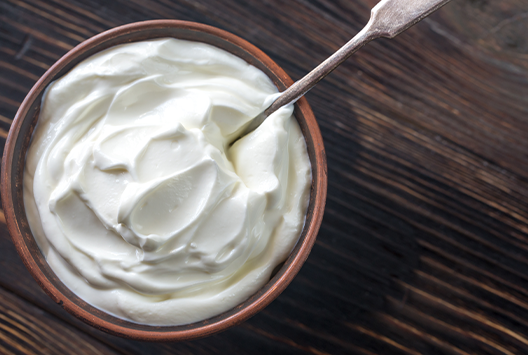
Yoghurt is created from lactic acid-producing bacteria in cultured cream, milk, or both. Dietitians appreciate it because of its nutritional value and versatility. Read on as we learn more about the types of yoghurt, their advantages, how to choose the best one, and how to enjoy the different varieties. 


The 5 main advantages of consuming yoghurt


1. Yoghurt is filling


Yoghurt is high in protein and healthy fats. Both nutrients increase satiation after 15 minutes. In one study, it was found that consuming high-protein Greek yoghurt as an afternoon snack reduced hunger, enhanced fullness, and delayed supper.


2. Yoghurt lowers the chance of developing Type 2 Diabetes


Yoghurt contains lactic acid bacteria, which may modify gut microbiota and minimize glycemic variability, or blood sugar variations. This benefit is only applicable if the yoghurt contains no added sugar.


3. Yoghurt improves bone health


An eight-ounce serving of plain yoghurt includes 415 milligrams of calcium, which is important for bone health. Calcium strengthens bones and is required for muscular contraction, nerve transmission, and cellular communication. Yoghurt contains high-quality protein, which helps develop strong bones and muscles.


4. Yoghurt is heart-healthy


According to one study, long-term use of fermented dairy products such as yoghurt (approximately two servings per week) lowers blood pressure and the risk of cardiovascular disease. The same nutrients that help the intestines also help the heart.


5. Yoghurt is gentle on the stomach


Probiotics in dairy yoghurt boost the immune system and gut health by maintaining "good bacteria" levels. These beneficial bacteria alleviate certain digestive symptoms by breaking down lactose. 


Comparing the different types of yoghurt


There are as many yoghurt varieties today and they can be grouped into three types: Greek yoghurt, plain (regular) yoghurt, and dairy-free yoghurt.


- Greek Yoghurt: Greek yoghurt is the most popular form of yoghurt. A 7-ounce meal has 20 grams of protein on average. Greek yoghurt contains fewer carbohydrates and sugars due to the removal of whey during the straining process. 


- Plain Yoghurt: Plain or regular yoghurt is higher in calcium and lower in fat and calories than Greek yoghurt. Its protein content is high at 8 grams per cup.


- Dairy-Free Yoghurt: Dairy-free users can enjoy yoghurt made using plant-based milk such as soy, cashew, almond, oat, and coconut milk. Vegan yoghurt has less protein than ordinary yoghurt and Greek yoghurt.


The possible health risks of eating yoghurt


Yoghurt prepared with dairy will not agree with you if you are lactose intolerant or allergic to milk. Other plant-based solutions may suit your tastes.


Yoghurt can interfere with the absorption of some drugs and medications, such as immunosuppressants and ciprofloxacin. As such, the consumption of yoghurt should be avoided or delayed until you have completed your dosage of those drugs. If you are taking medicine, you should check with your doctor before eating yoghurt.


How to buy the healthiest yoghurt


1. Choose unflavored, low-sugar yoghurt


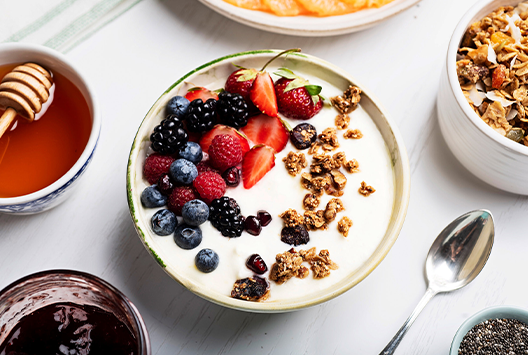
Examine the sugar content of all packaged foods. Yoghurt naturally includes 6-8 grams of sugar. To prevent consuming extra sugar, choose plain or unflavored yoghurt. Fruit and toppings can be added for flavor, sweetness, and fiber. Choose flavorful foods with no more than 11 grams of sugar per serving.


2. Look for probiotics


Consume probiotic-rich yoghurt. Choose yoghurts that contain "live cultures" or "active cultures" for maximum benefits. These bacteria are beneficial for people who suffer from irritable bowel syndrome and poor gut flora.


3. Assess the fat content


Full-fat and low-fat yoghurts are both excellent. Always choose the appropriate alternative for you, and always remember to consume in moderation.


Yoghurt is the way to go


If you are looking for more reasons to consume yoghurt, you have come to the right place. Yoghurt can be enjoyed creatively on a daily basis. To improve the flavor of yoghurt, simply experiment with toppings, use it as a base, add it to recipes, or eat it with your breakfast as a protein source. 


Do you want to reap the benefits of yoghurt? Baladna offers quality, farm-fresh dairy products that you and your loved ones can enjoy. Shop our wide collection of products today!

More Articles

Blog Power Hour: The Best Time To Drink Pineapple Juice
27 August, 2025

Power Hour: The Best Time To Drink Pineapple Juice

Pineapple juice is a delicious and refreshing drink that is enjoyed by people all over the world. It is made from the fruit of the pineapple plant, which is native to South America but is now grown in many parts of the world. But, did you know that pineapple juice is like a superhero drink packed with vitamins, minerals, and antioxidants? That's right! It's like having a powerful elixir that can provide numerous health benefits to your body and mind. In this article, we will take a closer look at the health benefits of pineapple juice. We’ll also explore the best time to drink it. Pineapple Juice: A look at calories and nutrition factsA 100 ml bottle of Baladna Pineapple Juice contains around 46.1 calories, which makes it a relatively low-calorie drink. It is also packed with vitamins and minerals. In fact, one cup of pineapple juice can help you achieve your recommended vitamin C intake. It is also a good source of vitamin B6, thiamin, and folate. Did you know that pineapple juice is also good for your heart health? It's true! This power drink is packed with potassium, which can help regulate blood pressure and promote a healthy heart. Plus, it's got a few other sidekicks like calcium, magnesium, and iron that can help keep your body strong and healthy. When is the best time to drink pineapple juice?There is no one right answer to this question. The ideal time to drink pineapple juice depends on your preferences and lifestyle. But, here are some guidelines to help you maximize the benefits of pineapple juice: In the morningDo you need help to get your day started? Grab a glass of pineapple juice and get ready to feel energized! Pineapple juice is the perfect way to kickstart your metabolism and give you a natural boost of energy. What’s more – it's packed with vitamin C, like a superhero that fights off bad guys (aka free radicals) and boosts your immune system. And get this, vitamin C also helps your body absorb iron, which is super important for keeping your blood cells healthy.But wait, there's even more! Drinking pineapple juice in the morning on an empty stomach can help your tummy too. It helps break down proteins, making you feel less bloated and more comfortable. So go ahead, pour yourself a glass of pineapple juice in the morning and get ready to take on the day!Before or after exerciseAre you seeking a secret weapon to take your workouts to the next level? Look no further than pineapple juice! This tasty drink can help improve your athletic performance and aid muscle recovery. Pineapple juice contains potassium, which works wonders for your muscles. It helps regulate fluid balance and prevents pesky muscle cramps from ruining your workout. It also provides a quick burst of energy, perfect for powering you up before a workout.But the magic of pineapple juice doesn't stop there. After a tough workout, drinking pineapple juice can help reduce inflammation and aid in muscle recovery. This is all thanks to the bromelain enzyme in pineapple. It helps fight off soreness in your muscles, so you can recover faster and get back to crushing your workouts.Before a mealDrinking pineapple juice before a healthy feast can help stimulate digestion and reduce your appetite. Pineapple juice is packed with fiber, which can help regulate your digestive system and promote feelings of fullness.Drinking pineapple juice before a meal can also help reduce cravings for unhealthy snacks and promote weight loss. The natural sugars in pineapple juice provide a quick energy boost, which can help curb cravings for sugary or fatty foods. Before bedAre you having trouble catching a proper good night's sleep? Well, pineapple juice will certainly help you drift off to dreamland. That is because pineapple contains an amino acid called tryptophan, which is like a sidekick to serotonin – the neurotransmitter that helps regulate mood and promote feelings of relaxation. This means no more tossing and turning as you try to get comfortable! But, if you're sensitive to acidic foods, you may want to skip this drink before bedtime.Go ahead and pour yourself a glass of pineapple juice! Are you looking for a fun and delicious way to boost your health? Well, look no further because Baladna Pineapple Juice is here to save the day! Get yourself some pineapple juice today; your taste buds and body will thank you!

Blog Weekly Dairy Essentials: Top 4 Picks
20 November, 2024

Weekly Dairy Essentials: Top 4 Picks

Dairy products are a crucial part of a healthy diet. They are abundant in calcium, vitamin D, protein, and other essential nutrients that are vital for maintaining good health. Nonetheless, not all dairy products are created equal. Some are high in saturated fat, while others are low in fat but high in sugar. As recommended by dietitians, the following four dairy essentials are low in saturated fat and high in nutrients.1. Greek YoghurtGreek yoghurt is a fantastic dairy product that is packed with nutrients. It is high in protein, low in fat, and contains probiotics that are beneficial for gut health. It is also an excellent source of calcium, which is essential for strong bones and teeth. It can even be used in a variety of dishes, from smoothies to dips and sauces.When shopping for Greek yoghurt, look for plain varieties that are low in sugar. Many flavored yoghurts contain added sugars, which can contribute to weight gain and other health problems.2. Skim MilkSkim milk is a low-fat dairy product that is an excellent source of calcium, vitamin D, and protein. It is also a great source of potassium, which can help lower blood pressure. It is versatile and can be used in a variety of recipes, from smoothies to soups.When choosing skim milk, look for varieties that are fortified with vitamin D. Vitamin D is essential for bone health and can also help protect against certain types of cancer. It can also be a great source of hydration after a workout. It contains electrolytes such as sodium and potassium, which can help replenish fluids lost during exercise.3. Cottage CheeseCottage cheese is a low-fat dairy product that is high in protein and low in calories. It contains calcium and other essential nutrients, including vitamin B12 and phosphorus. It is an adaptable ingredient that can be used in a variety of dishes, from salads to dips and spreads.When choosing cottage cheese, look for varieties that are low in sodium. Many cottage cheeses can be high in sodium, which can contribute to high blood pressure and other health problems. Add fresh fruit or a drizzle of honey to your cottage cheese if you prefer a sweeter taste.4. String CheeseString cheese is a fun and convenient snack that is low in calories and high in protein. It is an excellent source of calcium and can help promote bone health. It is portable and can be taken on the go, making it a great snack for busy lifestyles.When choosing string cheese, look for varieties that are low in sodium and made with low-fat milk. Many variants can be high in sodium and saturated fat which can contribute to health problems. If you prefer a sweeter taste, pair your string cheese with fresh fruit or a handful of nuts.When choosing dairy products, opt for high-quality brands When choosing dairy products, it is best to look for varieties that are low in sugar and sodium and made with low-fat milk. By incorporating the above dairy products into your diet, you can promote good health and well-being.If you are looking for a great source of Baladna dairy products, look no further than our healthy selections here at Baladna. We are 100% Qatari, with one of the largest cattle farms in the region, providing authentic, fresh and quality dairy products. Browse through our website to see a list of all our offerings.

Blog How Long Can Yoghurt Be Stored After Opening The Packaging?
14 May, 2024

How Long Can Yoghurt Be Stored After Opening The Packaging?

Yoghurt is a nutritious and delicious dairy product that can be eaten on its own or used as an ingredient in various recipes. It is also known for its probiotic properties, which help maintain a healthy gut microbiome. However, once you open a container of yoghurt, it is important to consume it within a certain timeframe. Here, we will explore various factors that may affect your yoghurt’s shelf life. Factors that affect yoghurt shelf life1. TemperatureYoghurt should be stored in the refrigerator at a temperature of 40°F or below. If yoghurt is exposed to temperatures above this range, it can spoil faster.2. ContaminationOnce you open a container of yoghurt, it will be exposed to air and bacteria. This can increase the risk of contamination and spoilage.3. HandlingThe way you handle yoghurt can also affect its shelf life. If you use a dirty spoon or your hands to scoop out yoghurt, you can introduce bacteria that can cause spoilage.How long can you keep yoghurt after opening it?Generally, yoghurt can be kept for 7-10 days after opening - if stored properly. However, the actual shelf life of yoghurt can vary depending on several factors. If you notice any signs of spoilage, such as a sour smell, mold, or a change in texture, it is best to discard it.How to extend yoghurt shelf life1. Store it in the coldest part of the fridgeThe key to extending the shelf life of yoghurt is to keep it in a cool place. The back of the fridge is typically the coldest part, so store your yoghurt there. Avoid placing it near the door or on the top shelf, as these areas are often warmer and can cause your yoghurt to spoil more quickly.2. Use a clean spoon or spatulaWhen you're ready to enjoy your yoghurt, always scoop it out with a clean spoon or spatula. This will prevent bacteria from getting into the container and spoiling the rest of the yoghurt. Avoid using a dirty utensil, as this can introduce unwanted bacteria into the yoghurt.3. Don't leave the container openIt's important to avoid leaving the yoghurt container open for an extended period. This can cause the yoghurt to dry out and lose its flavor. Always seal the container tightly after you've finished using it, and return it to the fridge as soon as possible.4. Don't freeze yoghurtWhile it may be tempting to freeze your yoghurt to extend its shelf life, this is not recommended. Freezing can change the texture and flavor of the yoghurt, making it less enjoyable to eat. Instead, focus on using up the yoghurt before it expires.5. Don't leave it out at room temperatureYoghurt should always be stored in the fridge and shouldn’t be kept at room temperature for more than two hours. This can cause bacteria to grow, which can lead to food poisoning. If you're taking yoghurt on the go, keep it in a cooler or insulated bag to keep it cool.6. Consider buying smaller containers of yoghurtIf you find that you're often throwing away half-eaten containers of yoghurt, consider buying smaller containers. This will help reduce waste and ensure you're always eating fresh yoghurt. You can also buy larger containers and portion them into smaller ones to extend their shelf life.Don’t mishandle your yoghurt! It’s important to keep in mind that proper storage, handling, and temperature control can help extend yoghurt's shelf life. If you notice any signs of spoilage, it is best to discard the yoghurt to avoid the risk of foodborne illness. Looking for a trusted dairy and beverage company in Qatar? Turn to none other than Baladna. With one of the largest cattle farms in the region, Baladna offers authentic, fresh, and quality dairy products. These include fresh milk, yoghurt, cheese, labneh, and many more. Contact us today for more information.

Blog Is Mozzarella Cheese Healthy? We’ve Got Your Answer
13 May, 2024

Is Mozzarella Cheese Healthy? We’ve Got Your Answer

Mozzarella cheese is a type of cheese that is popular in Italian cuisine. It is made from cow's milk and is one of the most popular cheeses used in pizza, lasagna, and other Italian dishes. Many people are curious if mozzarella cheese is a healthy food choice, and the answer is that it can be! Let's learn more about this:It's a good source of proteinMozzarella is a great source of protein, providing 8 grams per one-ounce serving. This makes it a great choice for people looking to increase their protein intake. Protein plays an important role in building and maintaining muscle, and it's also essential for healthy skin, bones, and organs. Eating mozzarella can help you meet your protein needs without having to rely on other animal proteins such as beef or chicken.It's a good source of many essential minerals Mozzarella is rich in essential minerals like calcium, magnesium, and phosphorus. Calcium, crucial for strong teeth and bones, prevents decay and gum disease. Selenium in mozzarella protects cells, reduces inflammation, and supports the immune system, benefiting cognitive function. Additionally, the cheese boasts high Vitamin A content, promoting healthy eyes, skin, teeth, and gums, while aiding in new bone cell growth.It has less sodium than most other cheeses One of the most significant benefits of mozzarella cheese is that it has less sodium than most other cheeses. Sodium is an important mineral that helps regulate blood pressure, as well as fluid balance in the body. When consumed in excess, it can lead to a number of health problems, including hypertension and stroke. By choosing a low-sodium cheese like mozzarella, you can rest assured that you won’t be overloading your body with sodium.It's lower in saturated fatSaturated fats are types of fats that can raise cholesterol levels in the body and increase the risk of heart disease. However, mozzarella has a significantly lower amount of saturated fat than other cheeses. A single serving of regular mozzarella cheese (about 1.5 ounces) contains just 3.5 grams of saturated fat, compared to 7.5 grams in a serving of cheddar cheese. This makes mozzarella an excellent choice for those who need to watch their saturated fat intake.How much mozzarella should you eat in a day? If you’re looking to add some extra flavor and nutrition to your diet, mozzarella cheese is a great choice. But how much mozzarella should you eat each day?The answer really depends on your individual health needs and goals. For most healthy adults, the recommended daily intake of cheese is around 1.5 ounces. This amount provides a good balance between the health benefits of cheese and the potential risks associated with too much cheese.When it comes to mozzarella cheese specifically, 1.5 ounces is a good guideline. This amount provides around 100 calories, 7 grams of protein, and 6 grams of fat. It’s also a great source of calcium, phosphorus, and vitamin B12.If you’re looking for a little extra flavor and nutrition, you could add a few slices of mozzarella to your salads, sandwiches, or pizzas. You could also use mozzarella cheese to make delicious homemade pizzas, calzones, and even grilled cheese sandwiches.For those who are trying to lose weight, it’s important to keep in mind that cheese can be high in calories and fat. So if you’re trying to cut back on calories, you may want to limit your portion sizes.Say mozzarella!Mozzarella cheese can be considered a healthy food option when eaten in moderation. It is a good source of protein, calcium, and phosphorus, and is lower in fat and sodium than many other cheese varieties. That said, it is important to remember that consuming too much of any food, even one as healthy as mozzarella, can lead to weight gain and other health issues. It's also vital that you get your mozzarella cheese from a trusted dairy and beverage company like Baladna.Baladna cheese, including mozzarella, is fresh and high quality. Baladna is among the biggest cattle farms with about 24000 cows that are kept in a well-conditioned environment to ensure only the best dairy products. Try Baladna mozzarella cheese and other products today!