Blog A Look At The Health Wonders of Yoghurt Consumption
14 May, 2024

A Look At The Health Wonders of Yoghurt Consumption

Similar

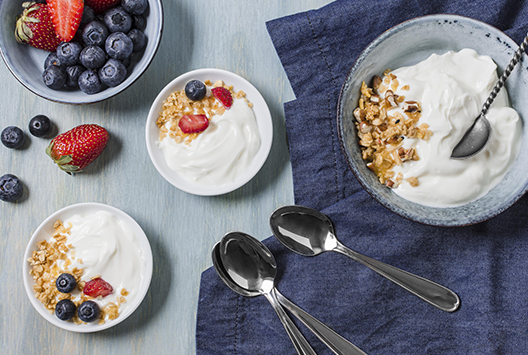
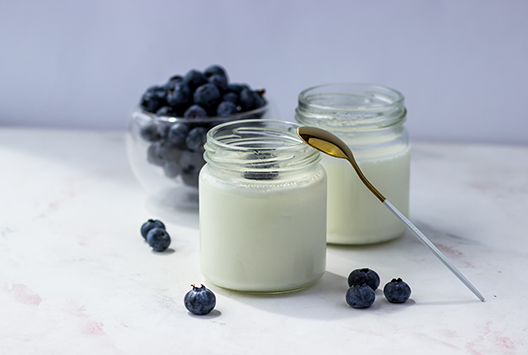
Yoghurt is a dairy product made by adding special bacteria, like Streptococcus thermophilus and Lactobacillus bulgaricus, to milk. It is a thick, creamy food that’s high in both protein and calcium and popular in many cultures worldwide — and we know exactly why! 


People can eat yoghurt in many different ways, and that’s why it’s a favorite among many. Some prefer it plain, while others favor flavored variants. But no matter which type of yoghurt you choose, you will always get the health benefits it provides. Read on to see what these health benefits are: 


1. Happy tummy: Yoghurt is packed with probiotics 


Probiotics are beneficial bacteria that live in our digestive systems and help promote a healthy gut. Yoghurt is one of the best sources of probiotics, containing beneficial bacteria that help maintain a balanced gut flora, improve digestion, reduce inflammation, and boost immunity.


2. Strong bones, wide smiles: Calcium is yoghurt's secret weapon 


Yoghurt is an excellent source of calcium, a mineral that is essential for strong bones and teeth. Studies have shown that yoghurt consumption is associated with higher bone mineral density, crucial for preventing osteoporosis and other bone diseases and conditions. Yoghurt is also an excellent source of vitamin D, which helps the body absorb calcium. 


3. Diabetes defense: Yoghurt helps keep your blood sugar in check


Studies have shown that yoghurt consumption is associated with a lower risk of developing type 2 diabetes and a lower risk of developing metabolic syndrome, a cluster of symptoms increasing the chances.


The probiotics in yoghurt may help reduce inflammation, a factor that contributes to the development of type 2 diabetes. Additionally, yoghurt is a good source of protein and can help regulate blood sugar levels, which can help reduce the risk of type 2 diabetes.


4. Snack smart, snack slim: Yoghurt can aid in weight-loss


Yoghurt is an excellent snack for people trying to lose weight. It is low in calories and rich in protein, calcium, and probiotics, which can help with digestion and overall health. On top of all that, it’s super convenient for those who lead a fast-paced lifestyle. 


When choosing yoghurt for weight loss, there are a few things to consider. First, look for low-fat or non-fat yoghurt. Also, check the label for added sugars, as these can add a lot of extra calories. Also, look for yoghurt with active cultures to promote digestion.


5. Post-workout snack: Your ultimate recovery potion 


Yoghurt is a great snack after a workout because it helps to replenish lost electrolytes and provide protein for muscle repair. The probiotics in yoghurt also help to reduce inflammation and aid in digestion. Additionally, yoghurt is an excellent calcium source, which helps keep bones strong.


It’s a superfood and it’s called yoghurt! 


As you’ve probably now realized, yoghurt is great for one’s health. The superfood is an excellent choice for those looking to lose weight or improve their overall health. However, remember to eat a balanced diet to reap the benefits of yoghurt better.


Baladna is a dairy farm based in Qatar. As a 100% Qatari-owned company, we focus on serving our customers fresh, high-quality dairy products they can enjoy with family and friends. Check out our wide range of products available on our website today! 
More Articles

Blog Halloumi Cheese: Everything You Need to Know
27 January, 2023

Halloumi Cheese: Everything You Need to Know

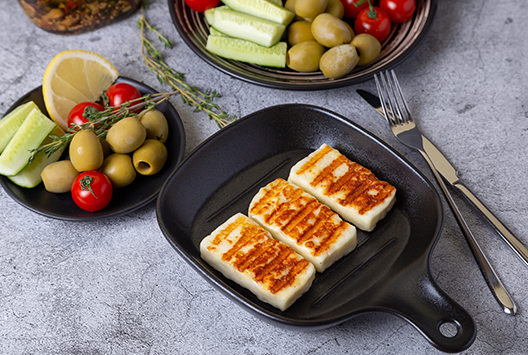
If you’re a fan of Mediterranean food, then you’ve certainly come across halloumi cheese before. Halloumi is a classic Cypriot cheese made from goat’s milk, sheep’s milk, or a combination of the two. Sometimes, cow's milk is utilized. Because it holds its shape when cooked, it is most loved in its grilled form. This type of cheese deserves some appreciation, so we’ve gathered all there is to know about halloumi cheese below. Ready to get your dose of halloumi knowledge? What is Halloumi? Halloumi is a white, layered cheese similar to mozzarella. Traditionally made on the Eastern Mediterranean island of Cyprus from goat and sheep's milk, halloumi cheese has grown in popularity across different parts of the world. As a semi-hard, unripened cheese that has been brined, halloumi cheese is known for its mild spongy texture and salty flavor. Cow's milk is sometimes used to make halloumi. Either pasteurized or unpasteurized milk is available as well. Although halloumi can be consumed raw, its high melting point makes it a perfect cheese for grilling or frying. When grilled or pan-fried, it melts on the inside and crunches on the outside, comparable to the texture of a marshmallow when roasted.Halloumi is gaining popularity. It is fairly priced and available in most stocked supermarkets and specialty shops. Baladna’s halloumi cheese is available in many grocery stores. Alternatively, you can purchase it directly from Baladna’s website.How is Halloumi Made? Halloumi is made when rennet or vegetarian rennet is added to hot milk to get it to thicken. The whey is then removed from the curds once they have formed. The curds are then chopped, firmed up, and pressed into molds. Halloumi's resistance to melting is provided by the additional heating step of poaching the cheese in water or whey. The cheese is then salted and can be consumed immediately after that for three to five days. If not, it can be aged for many months and preserved in brine, which gives the cheese its salty flavor. Like feta cheese, halloumi is marketed in compact bricks that are vacuum-packed in plastic and have a solid texture. Baladna’s farmers produce many kinds of cheeses that resemble halloumi. These cheeses are typically referred to as grillable or halloumi-style cheeses for legal proprietary reasons. They are also known as frying cheese, grilled cheese, or queso de freír in Spanish.It may be challenging to substitute halloumi due to its distinctive texture. Some recipes may call for tofu or Indian paneer, but they won't taste quite the same as halloumi. Hard, dry feta cheese is somewhat comparable when eaten uncooked.Uses Consider grilling, frying, or slicing Halloumi. Use it in salads or a Caprese salad in place of mozzarella. As a gluten-free alternative, use grilled halloumi slices instead of bread in sandwiches. You may also serve it with watermelon, as they do in Cyprus. Although halloumi can be consumed raw, many people prefer its taste when warmed, grilled, or heated. Once the cheese is cooked, the saltiness disappears and is replaced by a powerful, savory bite and a slightly creamy mouthfeel. StorageKeep your halloumi in the fridge for up to a year, unopened. Refrigerate in salted water for up to two weeks after opening, then tightly wrap in waxed paper, parchment paper, or cheese wrap. If you wrap your halloumi in plastic or foil, you may keep it in the freezer for up to three months.Halloumi for the win .. and grillHalloumi is a type of cheese that has been around for a long time and its popularity is only growing. It is a popular ingredient in many dishes, as it holds its shape when heated, making it ideal for grilling or frying. With a 2.6 million square meter footprint, Baladna is one of the largest cattle farms in the region and offers authentic, fresh, and high-quality dairy products. Baladna is 100% Qatari. Up to 24,000 cows can be housed on our farm in a cozy and well-kept environment, enabling them to produce as much as they can comfortably. Get your favorite Baladna cheese today! 

Blog 5 Pineapple Juice Benefits You Probably Didn’t Know
11 September, 2024

5 Pineapple Juice Benefits You Probably Didn’t Know

Pineapple is a tropical fruit packed with vitamins, minerals, and other nutrients. Its juice is a refreshing drink that many people around the world love. While most people know that pineapple juice is a good source of vitamin C, there are many other benefits that most people are unaware of. Here are a few of them: It boosts immunityPineapple juice is a great source of Vitamin C, which is essential for boosting the immune system. One cup contains about 80 percent of the recommended daily intake of vitamin C, which helps speed up the production of white blood cells. In turn, these cells fight off infections and diseases. Pineapple juice also contains bromelain, an enzyme effective in reducing the symptoms of respiratory infections such as sinusitis and bronchitis.It promotes digestionThis refreshing beverage contains bromelain, an enzyme that helps break down digestive system proteins. This enzyme helps promote digestion and reduce inflammation in the gut. It also contains fiber, which helps promote regular bowel movements and prevent constipation. Drinking a glass before each meal can help improve digestion and reduce bloating.It reduces inflammationBromelain doesn't just break down proteins in the digestive system; it's also an enzyme that has anti-inflammatory properties. This enzyme effectively reduces inflammation in the body, especially in the joints. Studies have shown that bromelain can help reduce the symptoms of osteoarthritis and rheumatoid arthritis.Helps in weight lossPineapple pulp (and its juice) is low in calories and fiber, making it an excellent choice for people trying to lose weight. Consuming a glass before a meal can help curb appetite and prevent overeating. Pineapple juice's special enzyme called bromelain is known to effectively break down fats in the body, promoting weight loss and reducing body fat.Improves skin healthThis delicious drink is rich in vitamin C, essential for healthy skin, per Oregon State University. This vitamin helps promote collagen production, which is vital for maintaining skin elasticity and preventing wrinkles. It also contains antioxidants, which help protect the skin from damage caused by free radicals. Also, drinking this juice regularly can help improve skin health and prevent the signs of aging.In closingJuice from pineapple is a delicious and healthy drink that offers many benefits for our health. It is a potent source of vitamin C, bromelain, fiber, and antioxidants, all contributing to its health-promoting properties. This versatile drink can improve our overall health and well-being, from boosting immunity and promoting digestion to reducing inflammation and aiding in weight loss. So the next time you want a refreshing drink, consider reaching for a glass of this beverage to reap its benefits. And make sure to choose a trusted brand like Baladna to ensure you’re sipping on quality. Baladna is dedicated to delivering genuine, nourishing, and superior dairy products and beverages like pineapple juice. We aim to promote the well-being of our consumers by offering them natural, wholesome, and delectable food and beverage options while also being the most trusted brand for nutritional foods and healthy drinks in Qatar.

Blog Goat vs. Cow Milk Cheese: What Are the Main Differences?
14 May, 2024

Goat vs. Cow Milk Cheese: What Are the Main Differences?

Cheese coming from cow's milk or goat's milk may seem like distant cousins at first glance, but they are actually quite different! Do you know what these differences are? Fortunately for you, we’ve pointed out some of them below. Are you ready for some cheesy knowledge?Goat Cheese: What is it?Any cheese made solely from goat's milk is known as goat cheese or chèvre in French. Goat milk has a low casein content, which results in tiny, breakable curds. Goat cheese can turn chalky, brittle, or earthy as it matures. Goat cheese is typically creamy, spreadable, and tart when young. Because it contains a lot of vitamin A, goat cheese appears slightly brighter. This type of cheese is also packed with vitamins E, K, B6, and B3 (niacin). The taste of goat cheese is quite unique because of the presence of medium-chain fatty acids like caprylic and capric acid.There are three critical differences between cheese made with goat’s milk and that made with cow's milk. We’ve listed them below: Nutrition: Goat milk has a slight edge over bovine dairy regarding fat and nutrients but is lower in lactose, vitamin D, and riboflavin. Cow's milk has more giant lipid molecules than goat's milk, which makes it harder to process and gives it a heavier texture. Lactose-sensitive people might be able to consume goat's milk cheese because it has smaller fat molecules and less lactose than cow's milk cheese.Flavor: Cow's milk is preferred for cheese production because of its mild, neutral flavor and more cohesive protein structure. Compared to cow's milk cheese, goat cheese tends to be smoother and tangier.Accessibility: Cow's milk cheese is much more widely accessible. While goat's milk is usually produced locally in small batches, cow's milk is less expensive and more widely available.Popular slices of cheese made from cow's milkFrom cow's milk, a variety of well-known cheeses are produced, including: Fresh Cow CheesesThe best cheeses are those that can be spread and are produced from fresh cows. Many new pieces of cheese are usually made with cow's milk, such as quark in Austria, cream cheese in the United Kingdom, mascarpone in Italy, queso fresco in Mexico, cottage cheese in the United States, and fromage blanc in France. Soft and Semi-Soft Cow CheesesCow cheeses that are soft or semi-soft have a creamy texture and maintain their form. French cheese like Brie, Camembert, and Port Salut are a few of these. American cheeses Wisconsin Brick and Monterey Jack are also included.Blue Cheeses Blue growing lines on cheese make it easy to identify. The British delicacies Gorgonzola and Stilton (from Italy) are the most well-known blue cheeses made from cow’s milk.Hard and Semi-Hard Cow CheesesThe finest aged hard or semi-hard cow cheeses have a firm texture, making them perfect for slicing and grating. Emmental from Switzerland, Gruyère from France, Swiss and Colby from the United States, Cheddar from the United Kingdom, Gouda and Edam from the Netherlands, and Parmesan and Provolone from Italy are some of the hard bovine cheeses available today (Italy).High-Fat CheesesThe rind of high-fat cheeses contains a soft, cream-like material. Double cream (over 60% fat content) and triple cream (over 72%) are high-fat cheeses resembling Brie but are much heavier. These include cheeses like Brillat-Savarin, Explorateur, Gratte-Paille, and others from the French Fin-de-Siècle period.Common Goat's Milk CheesesThe chèvre - a soft, spreadable raw cheese - comes to mind when we think of goat's milk cheese. However, almost any type of cheese can be made with goat's milk, including:- Crottin de Chavignol is a type of hard goat cheese (France)- Goat cheeses that melt quickly, such as Chabichou, Cabécou, and Banon (France)- French blue goat cheeses include Humboldt Fog and Valençay