Blog Cheddar Cheese : A Guide To This Classic Dairy Product
16 August, 2024

Cheddar Cheese : A Guide To This Classic Dairy Product

Similar

Cheese lovers rejoice! We’ve put together this comprehensive guide to cheddar cheese to highlight its origins, varieties, and uses. After reading it, we’re sure you’ll know this classic dairy product inside and out. 


As one of the world's most popular types of cheese, cheddar is loved for its distinctively sharp flavor and creamy texture. So whether you're a cheese connoisseur or just curious about the basics of this delicious staple, read on to learn more about cheddar cheese.


What is cheddar cheese?


Cheddar cheese originated in England and is one of the world's most popular and widely consumed types of cheese. Rich yellow or white cheddar cheese has a distinctive sharp, acidic flavor, ranging from mild to extra sharp.


Cheddar cheese is typically aged from two months to five years, with extended aging periods resulting in sharper flavors. The longer the cheese ages, the less moisture it contains and the firmer its texture. 


What is the difference between white and yellow/orange cheddar?


White and yellow/orange cheddar cheese are two popular variations of the same type of cheese. There are several differences between the two varieties.


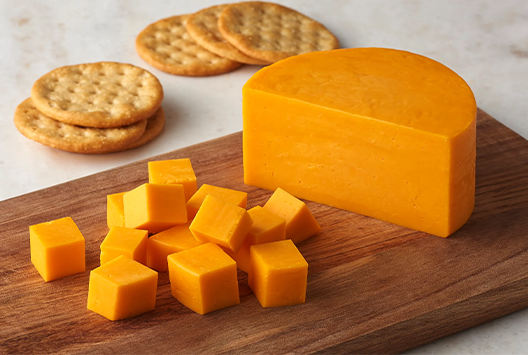
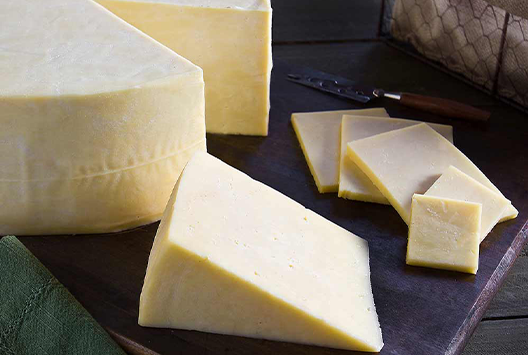
- Appearance: White cheddar is creamy and off-white, while yellow/orange cheddar is bright orange-yellow. This color difference is due to adding annatto, a natural food coloring, to yellow/orange cheddar. White cheddar does not contain this food additive.


- Flavor: White cheddar has a mild flavor with notes of sweet, nutty, and buttery flavors, while yellow/orange cheddar has a slightly sharper and more intense flavor thanks to the annatto coloring agent.


- Nutrition: Yellow/orange cheddar is higher in vitamin A than white cheddar due to the annatto coloring. Otherwise, both kinds of cheese are high in fat and calories, offering similar amounts of protein and calcium. 


How is cheddar cheese normally used?


Cheddar cheese is primarily used for melting on top of dishes such as burgers or grilled sandwiches and shredding over salads or soups.


Cheddar is also used in other dishes, such as casseroles, quiches, and macaroni and cheese. The rich flavor of cheddar cheese adds depth and complexity to these dishes. Cheddar cheese is often used in sauces, dips, spreads, and dressings. Its sharp taste is perfect for adding flavor to these foods without the need for additional spices or seasonings.


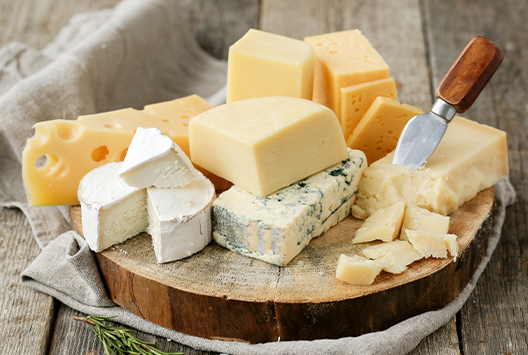
Another widespread use for cheddar cheese is in the form of snacks. Cheddar cheese can be easily cubed for snacking or melted onto crackers for a tasty treat. Cubes of cheddar cheese are often added to fruit platters or charcuterie boards, creating a delicious snack that everyone will enjoy. It is also great for grating into dips or making cheesy toppings for nachos or pizza. 


How do you store cheddar cheese?


To store cheddar cheese the right way, wrap it tightly in wax or parchment paper and place it in an airtight container in the refrigerator. Ensure all edges are sealed tightly to avoid air from entering. This will help prevent mold from forming and spoiling the flavor of the cheese. It's also essential to keep the cheese away from other food items, as cheddar cheese has a powerful smell and taste that can be easily transferred to other foods.


It’s a bold world with cheddar cheese 


Whether you're a long-time cheddar cheese lover or just starting to incorporate it into your dishes, we hope this guide helped you understand all the delicious possibilities this timeless dairy product offers. With its nutty, sharp taste and endless versatility, why not let cheddar cheese take center stage in your next dish?


If you're looking for a trusted dairy and beverage company in Qatar to purchase the finest cheddar cheese from, Baladna is the answer. Our wide selection of cheddar cheese is made with the highest-quality milk and brings you bold flavors with every bite. Get yours now!


More Articles

Blog All the Good Reasons Why You Should Eat More Yoghurt
16 August, 2024

All the Good Reasons Why You Should Eat More Yoghurt

Eating well may be challenging, but it must be known that eating healthy should be enjoyable and beneficial in all the right ways. For one, you can start by eating more yoghurt.Yoghurt is created from lactic acid-producing bacteria in cultured cream, milk, or both. Dietitians appreciate it because of its nutritional value and versatility. Read on as we learn more about the types of yoghurt, their advantages, how to choose the best one, and how to enjoy the different varieties. The 5 main advantages of consuming yoghurt1. Yoghurt is fillingYoghurt is high in protein and healthy fats. Both nutrients increase satiation after 15 minutes. In one study, it was found that consuming high-protein Greek yoghurt as an afternoon snack reduced hunger, enhanced fullness, and delayed supper.2. Yoghurt lowers the chance of developing Type 2 DiabetesYoghurt contains lactic acid bacteria, which may modify gut microbiota and minimize glycemic variability, or blood sugar variations. This benefit is only applicable if the yoghurt contains no added sugar.3. Yoghurt improves bone healthAn eight-ounce serving of plain yoghurt includes 415 milligrams of calcium, which is important for bone health. Calcium strengthens bones and is required for muscular contraction, nerve transmission, and cellular communication. Yoghurt contains high-quality protein, which helps develop strong bones and muscles.4. Yoghurt is heart-healthyAccording to one study, long-term use of fermented dairy products such as yoghurt (approximately two servings per week) lowers blood pressure and the risk of cardiovascular disease. The same nutrients that help the intestines also help the heart.5. Yoghurt is gentle on the stomachProbiotics in dairy yoghurt boost the immune system and gut health by maintaining "good bacteria" levels. These beneficial bacteria alleviate certain digestive symptoms by breaking down lactose. Comparing the different types of yoghurtThere are as many yoghurt varieties today and they can be grouped into three types: Greek yoghurt, plain (regular) yoghurt, and dairy-free yoghurt.- Greek Yoghurt: Greek yoghurt is the most popular form of yoghurt. A 7-ounce meal has 20 grams of protein on average. Greek yoghurt contains fewer carbohydrates and sugars due to the removal of whey during the straining process. - Plain Yoghurt: Plain or regular yoghurt is higher in calcium and lower in fat and calories than Greek yoghurt. Its protein content is high at 8 grams per cup.- Dairy-Free Yoghurt: Dairy-free users can enjoy yoghurt made using plant-based milk such as soy, cashew, almond, oat, and coconut milk. Vegan yoghurt has less protein than ordinary yoghurt and Greek yoghurt.The possible health risks of eating yoghurtYoghurt prepared with dairy will not agree with you if you are lactose intolerant or allergic to milk. Other plant-based solutions may suit your tastes.Yoghurt can interfere with the absorption of some drugs and medications, such as immunosuppressants and ciprofloxacin. As such, the consumption of yoghurt should be avoided or delayed until you have completed your dosage of those drugs. If you are taking medicine, you should check with your doctor before eating yoghurt.How to buy the healthiest yoghurt1. Choose unflavored, low-sugar yoghurtExamine the sugar content of all packaged foods. Yoghurt naturally includes 6-8 grams of sugar. To prevent consuming extra sugar, choose plain or unflavored yoghurt. Fruit and toppings can be added for flavor, sweetness, and fiber. Choose flavorful foods with no more than 11 grams of sugar per serving.2. Look for probioticsConsume probiotic-rich yoghurt. Choose yoghurts that contain "live cultures" or "active cultures" for maximum benefits. These bacteria are beneficial for people who suffer from irritable bowel syndrome and poor gut flora.3. Assess the fat contentFull-fat and low-fat yoghurts are both excellent. Always choose the appropriate alternative for you, and always remember to consume in moderation.Yoghurt is the way to goIf you are looking for more reasons to consume yoghurt, you have come to the right place. Yoghurt can be enjoyed creatively on a daily basis. To improve the flavor of yoghurt, simply experiment with toppings, use it as a base, add it to recipes, or eat it with your breakfast as a protein source. Do you want to reap the benefits of yoghurt? Baladna offers quality, farm-fresh dairy products that you and your loved ones can enjoy. Shop our wide collection of products today!

Blog Impressive Health Benefits of Eating White Cheddar Cheese
14 May, 2024

Impressive Health Benefits of Eating White Cheddar Cheese

If you love cheese, then you're probably already familiar with the benefits of eating white cheddar cheese. But if not, today is your lucky day because we’ve compiled all the benefits of eating white cheddar cheese right here. The nutritional side of white cheddar cheeseTo understand the healthy side of white cheddar cheese, it’s important to acknowledge all the essential nutrients it offers. Here's a breakdown of the nutritional value of white cheddar cheese: 1. Vitamin AWhite cheddar cheese is a great source of Vitamin A. One ounce (28 grams) of white cheddar cheese contains at least six percent of Vitamin A. This essential nutrient helps keep your eyesight strong and supports healthy skin, hair, and nails. It's also important for immune function and wound healing. 2. CaloriesWhite cheddar cheese is a great choice if you are watching your weight. With just 114 calories per ounce of serving, it's one of the lowest-calorie cheeses available. A serving of white cheddar cheese has approximately the same amount of calories as a serving of low-fat plain yogurt. This makes it a good choice if you want to cut back on calories and still get enough protein and calcium.3. CarbohydratesCarbohydrates are less than 0.5 ounces per serving of white cheddar cheese. This is an extremely low amount of carbohydrates for any food, making it a good choice for people trying to limit their carb intake. 4. ProteinA serving of white cheddar cheese has about 7 grams of protein. This is a moderate amount of protein for any food, making it a good choice if you're looking to add more protein to your diet.5. CalciumLike any other type of cheese, white cheddar contains a large amount of calcium. A single serving of this cheese will give you about 20 percent of your recommended calcium intake. This makes it a good choice if you're trying to meet the RDI for this nutrient but want to avoid consuming dairy products like milk or yogurt.Possible benefits of eating white cheddar cheeseAside from the fact that it's delicious, white cheddar cheese has several health benefits. Here are some of them:1. Healthier teeth: When consumed in moderation, white cheddar cheese can help strengthen the enamel on your teeth and reduce the risk of cavities. The calcium found in this type of cheese helps harden tooth enamel while also preventing bacteria from building up on your teeth. This means that less plaque will be formed and fewer cavities will occur.2. Lower cholesterol: White cheddar cheese is a low-fat food, which means it's also a low-cholesterol food. By reducing the fat in your diet and eating more foods like white cheddar cheese, you can decrease the chances of developing conditions like heart disease or stroke.3. Increased bone density: The calcium in white cheddar cheese can help increase bone density and prevent osteoporosis by strengthening bones with every bite you take. Calcium is ideal for building strong bones because it helps repair weak spots in the skeletal structure before they become problematic.Indulge in white cheddar bliss! White cheddar cheese offers so many benefits that can be enjoyed by many. Found almost in every supermarket, this delicious cheese is both convenient and accessible. If you're looking to increase your cheese intake, consider adding a serving of white cheddar cheese to your next meal.At Baladna, we have over 30 years of experience producing high-quality cheese and dairy products. Baladna’s white cheddar cheese is made with only the best ingredients, including fresh milk from our very own cows. We take pride in providing our customers with the highest quality products at affordable prices.

Blog What are the Benefits of Eating Cheese?
14 May, 2024

What are the Benefits of Eating Cheese?

Cheese is one of the most popular foods in the world — and can you blame it? It’s delicious, versatile, and loaded with nutrients. Made from curdled milk that has been drained and aged, cheese can be used in a variety of different recipes, both savory and sweet. And that’s what makes it so awesome. Aside from this, cheese has so many health benefits that make it a great choice for those looking to improve their overall well-being. We’ve listed some of them down for you:Cheese helps keep your gut healthy Cheeses like Gouda, Cheddar, Edam, Gruyère, and Swiss are excellent sources of probiotics that produce short-chain fatty acids, which help promote healthy gut flora. This is essential for proper digestion and absorption of nutrients. It is important to note that the intake of cheese should be raw and organic to ensure that the probiotic content is retained. Cheese may help fight cavities Your overall oral health is directly linked to your diet. It goes without saying that eating a lot of sugar and processed foods causes an overgrowth of harmful bacteria in the mouth, leading to tooth decay and cavities. Eating cheese can help combat this. A study from the National Library of Medicine suggests that eating cheese after meals may help reduce the risk of cavities. This is because cheese contains casein, a protein that breaks down in the mouth and releases calcium ions. These ions bind to harmful bacteria and prevent them from sticking to your teeth.Cheese can help boost your calcium intake An average adult needs around 1,000 milligrams of calcium every day. This is because it’s necessary for strong teeth and bones. Eating cheese can help you meet your daily calcium intake requirements. To give one example, a serving of cheddar cheese contains about 300 milligrams of calcium, which is about a third of the daily recommended intake.Certain cheeses can help keep your heart healthyThe best cheeses for maintaining good heart health are those with lower saturated fat and sodium, two things that are known to cause damage to the heart. Options like Swiss cheese, Mozzarella, Feta, cottage and ricotta cheese are good choices. Additionally, it’s important to opt for low-fat options if you’re at risk for heart disease, according to the Heart Foundation. Say cheese to a healthier YOU! Cheese is a great food that anyone can enjoy. It is packed with nutrients and vitamins and can be used in many different recipes, which makes it a great addition to any kitchen. Just like anything, moderation is key, and choosing the right cheese makes all the difference. So, the next time you are craving cheese, make sure that you include it in a balanced diet to ensure you’re not overconsuming saturated fat or sodium. It’s also important to get your cheese from a trusted source. At Baladna, we offer a wide range of cheeses. Our products are made with the freshest ingredients and are sourced directly from our farm, which is why you can be sure that they are always fresh and delicious. So if you love cheese as much as we do, head to Baladna’s website today and explore the variety of options available.