Blog All You Need To Know About Cheddar Cheese: Our Guide
16 August, 2024

All You Need To Know About Cheddar Cheese: Our Guide

Similar

Cheddar cheese is a favorite among many, thanks to its sharp, tangy flavor and creamy, crumbly texture. This cheese has a long history, with its origins going back to the 12th century in England. It is made from cow's milk and comes in various colors — from white, yellow, and orange, to red and even black.


Cheddar cheese is an essential ingredient in many dishes and adds flavor and texture to various recipes. This guide will explore everything you need to know about cheddar cheese — from its history and production process to the different types and uses.


Where does cheddar cheese come from? 


Before dairy and beverage companies made it in bulk, cheddar cheese originated in the English village of Cheddar, located in Somerset, in the 12th century. Local cheese makers made cheddar cheese from local sheep's milk, which they kept for their wool. They stored the cheese in caves, which were naturally cool and moist, and the aging process gave the cheese its unique flavor. 


Over the years, cheddar cheese spread throughout England and beyond. Then, in the 19th century, it was exported to America. Today, cheddar cheese is produced worldwide, including in North America, Australia, and New Zealand. It has become one of the most widely-used cheeses in the world and is the star of many dishes such as macaroni and cheese and burgers.


What are the different kinds of cheddar cheese? 


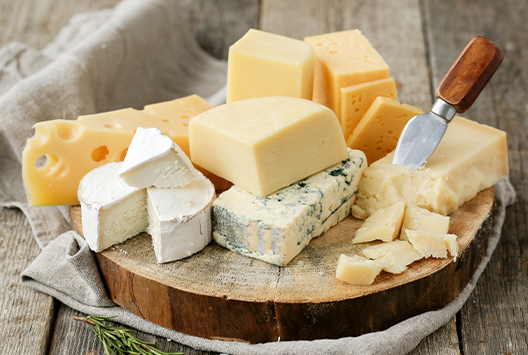
There are many kinds of cheddar cheese that differ in color, preparation, and flavor. Here are eight of the most common types of cheddar cheese manufactured by dairy and beverage companies today.


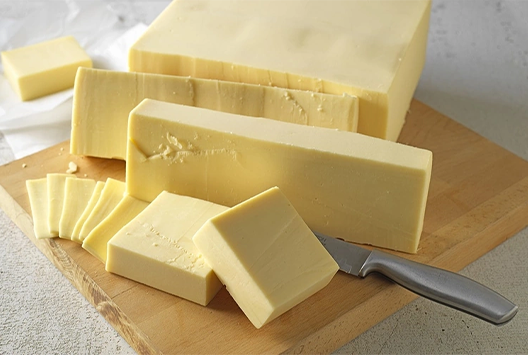
1. Mild Cheddar: Mild cheddar is a pale yellow, semi-soft cheese with a mild and creamy flavor. It is aged for a short period, usually two to three months. It is ideal for grilled cheese sandwiches (or other wraps as well), salads, nachos, and quesadillas. 


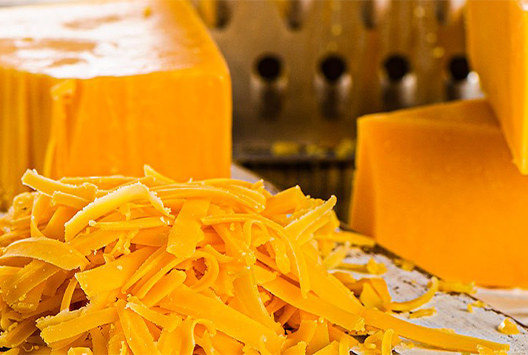
2. Medium Cheddar: Medium cheddar is a pale yellow cheese with a slightly sharp flavor. It is aged for four to six months. It is excellent for grating on portions of pasta, pizzas, and salads. 


3. Sharp Cheddar: Sharp cheddar is a pale yellow cheese with a sharper flavor. It is aged for six to nine months and is a great option for cheeseburgers, baked potato dishes, cheesy dips, creamy soups, and vegetable casseroles. 


4. Extra Sharp Cheddar: Extra sharp cheddar is a pale yellow cheese with a strong and sharp flavor. It is aged for 9-12 months and is excellent for grating on pasta, pizzas, and salads. It’s also great in quiches and savory tarts. 


5. Smoked Cheddar: Smoked cheddar is a pale yellow cheese with a smoky flavor. It is aged for 6-9 months and is excellent for adding a smoky flavor to salads, soups, baked potatoes, and charcuterie boards.


6. Aged Cheddar: Aged cheddar is a pale yellow cheese with a strong, sharp flavor. It is aged 12-18 months and is excellent for people who prefer a sharper taste in their dishes. It is ideal for gourmet cheese and crackers platters, cheddar and broccoli casserole, and many other dishes.


7. White Cheddar: White cheddar is a white cheese with a mild, creamy flavor. It is aged two to three months and is excellent for sandwiches, salads, and snacks. It’s also ideal for pasta dishes and mashed potatoes. 


8. Colby Cheddar: Colby cheddar is a pale yellow, semi-soft cheese with a mild, creamy flavor. It is aged two to three months and is excellent for sandwiches, wraps, quesadillas, omelets, quiches, and gratin recipes.  


Cheddar never disappoints 


Cheddar is a cheese that is sure to please any palate. If you’re looking for a trusted dairy source in Qatar, Baladna is here for you. 


Baladna is a dairy and beverage company in Qatar that provides authentic, fresh, and high-quality dairy products. We produce our cheese from the milk we harvest from our own cattle farm to ensure uniform taste and quality in our offerings. Contact us to learn more. 

More Articles

Blog Beyond the Bowl: Creative Ways to Use Sour Cream at Home
14 May, 2024

Beyond the Bowl: Creative Ways to Use Sour Cream at Home

Sour cream is a tangy and thick dairy product that can do wonders in the kitchen. It goes well with a number of dishes – whether as a topping or as a basic ingredient. Made by adding lactic acid bacteria to cream, sour cream is great for thickening or adding flavor to any dish. With its creamy texture and slightly tart flavor, sour cream is the missing ingredient your recipes have been searching for. Here are a few ways you can get creative with sour cream in the kitchen:How to use sour cream in the kitchen?1. Make a delicious dipMix sour cream with a bit of garlic, onion powder, and your favorite blend of herbs, and indulge in a dip like no other. Have it alongside crunchy chips, crackers, or vegetables. 2. Add creaminess to soupsIf you're looking for a way to add a creamy consistency to your soups without using cream, try stirring in a spoonful of sour cream. It’ll take your recipe to a whole new level, trust us. 3. Create a creamy salad dressingCreate a flavorful and creamy salad dressing by combining sour cream, lemon juice, garlic, and herbs. The sour cream gives the dressing a thick and creamy texture.4. Make a creamy sauceYou can create a delicious sauce by combining sour cream, diced tomatoes, garlic, and your favorite herbs and spices. This creamy mix is perfect for topping pasta and tacos, adding a zesty touch to any meal.5. Top baked potatoesAdding sour cream to a baked potato is a delicious way to enhance its flavor. Put a spoonful of sour cream on top of your potato, and then top it with your favorite herbs or spices for some extra flavor. 6. Add fluffiness to pancakesAdding some sour cream to your pancake batter can create a delicate and airy texture, taking your pancake game to the next level. Other ways you can use sour cream 1. Facial maskUsing a dollop of sour cream as a mask can help hydrate and nurture your complexion. The lactic acid in the sour cream helps exfoliate and soften the skin, while the fats and proteins help nourish and replenish it.2. Hair treatmentCombine equal parts of sour cream and coconut oil in a bowl before applying the mixture to freshly washed hair for an all-natural conditioning treatment that will leave your hair looking shiny and healthy!3. Body scrubMix a combination of sour cream and sugar to create a paste. Gently rub the paste onto the skin and massage in circular motions. Rinse off the scrub with warm water. The sugar will help exfoliate and remove dead skin cells, while the sour cream will help nourish and soften the skin.A sour & creamy ending These are just a few creative ways to use sour cream at home. Its versatility make it a favorite among kitchen enthusiasts. Whether you're looking for a savory dish or a luxurious beauty treatment, sour cream can be a great addition to your routine. So, the next time you're looking to try something new, think of sour cream! And make sure to choose the right brand because it makes all the difference. Baladna is a trusted dairy and beverage company in Qatar. Our products are fresh, authentic, and of excellent quality. Order sour cream, and other dairy products, from Baladna today and enjoy them right away!

Blog Food Watch: How Long Can I Leave My Block of Cheese Out?
14 May, 2024

Food Watch: How Long Can I Leave My Block of Cheese Out?

Cheese is a favorite among many, but not everyone cares for their cheese as much as they should. Everybody knows that leaving out uneaten food is terrible because it can lead to food contamination, mold growth, and it can attract pests. The same can be said about leaving certain foods unrefrigerated and that includes cheese. But worry not, we’re going to dive deep into storing tips and tricks regarding your favorite cheese. What is cheese? People make cheese by taking milk and introducing bacteria to it to create an acidic environment. This environment separates the milk into a solid curd and a liquid whey. They’ll cook, cut, and press the curd together to produce more whey. Next, they’ll add salt and other flavorings and let the dairy product age for several weeks or even longer to create cheese. How long have people been making cheese? People have been crafting cheese for thousands of years without mechanical refrigeration. Aging is a crucial part of the process, where they store blocks of cheese at moderate temperatures and leave them to mature for long periods. This step is critical in developing the best-tasting cheese and can take weeks, months, or even years. Can cheese go bad? The good news is that pasteurized cheese won’t likely cause stomach problems, even if you leave it out for a few days. People have pasteurized the milk used to make the cheese, which means they heated it to kill potentially harmful bacteria. However, if you leave it out for an extended time, the dairy product can spoil, and the bacteria will change its color, texture, flavor, and aroma. You must also be more careful with unpasteurized cheeses like Brie, Camembert, Feta, and other fresh cheeses as foodborne illnesses are more present. Such cheeses can be contaminated with different bacteria such as E. coli, salmonella, and listeria. Why can’t it go bad?The oldest and most common food preservation technique removes the water and oxygen bacteria needed to survive. It works best for cheese because it squeezes most of the water. Unfortunately, like most things, cheese can experience mold growth because of spores. Luckily, you can cut off the moldy parts, and the rest of the dairy product is safe to eat. While keeping certain cheeses at room temperature will not cause food poisoning, its quality will suffer because of the drying out and fat separation. Hard vs. Soft CheeseWhen it comes to storing, the type of cheese is the most important consideration. Hard cheeses will last longer and are less likely to cause health issues. However, soft cheeses - such as Brie, cream cheese, ricotta and others - must be handled more carefully. These cheeses, as well as unripened cheeses - such as halloum and akawi - should remain refrigerated at all times. They can be kept out for two hours tops. How long can you let cheese sit out? Depending on its type, cheese can stay out of the refrigerator for two hours tops if you store it in a cool place. You should store fresh, unripened cheeses in the fridge, while aged dairy products can stay out for up to a day. Moreover, anything you can’t eat within a day belongs in the refrigerator.Keeping it safe and cheesyCheese remains a popular dairy product because of its versatility and flavor. You can enjoy this food better by storing it properly and knowing how to use it for different foods. At Baladna, we strive to bring Qatar the freshest and most authentic products to help people enjoy their meal times better. Browse through our products today!

Blog What are the Benefits of Eating Cheese?
14 May, 2024

What are the Benefits of Eating Cheese?

Cheese is one of the most popular foods in the world — and can you blame it? It’s delicious, versatile, and loaded with nutrients. Made from curdled milk that has been drained and aged, cheese can be used in a variety of different recipes, both savory and sweet. And that’s what makes it so awesome. Aside from this, cheese has so many health benefits that make it a great choice for those looking to improve their overall well-being. We’ve listed some of them down for you:Cheese helps keep your gut healthy Cheeses like Gouda, Cheddar, Edam, Gruyère, and Swiss are excellent sources of probiotics that produce short-chain fatty acids, which help promote healthy gut flora. This is essential for proper digestion and absorption of nutrients. It is important to note that the intake of cheese should be raw and organic to ensure that the probiotic content is retained. Cheese may help fight cavities Your overall oral health is directly linked to your diet. It goes without saying that eating a lot of sugar and processed foods causes an overgrowth of harmful bacteria in the mouth, leading to tooth decay and cavities. Eating cheese can help combat this. A study from the National Library of Medicine suggests that eating cheese after meals may help reduce the risk of cavities. This is because cheese contains casein, a protein that breaks down in the mouth and releases calcium ions. These ions bind to harmful bacteria and prevent them from sticking to your teeth.Cheese can help boost your calcium intake An average adult needs around 1,000 milligrams of calcium every day. This is because it’s necessary for strong teeth and bones. Eating cheese can help you meet your daily calcium intake requirements. To give one example, a serving of cheddar cheese contains about 300 milligrams of calcium, which is about a third of the daily recommended intake.Certain cheeses can help keep your heart healthyThe best cheeses for maintaining good heart health are those with lower saturated fat and sodium, two things that are known to cause damage to the heart. Options like Swiss cheese, Mozzarella, Feta, cottage and ricotta cheese are good choices. Additionally, it’s important to opt for low-fat options if you’re at risk for heart disease, according to the Heart Foundation. Say cheese to a healthier YOU! Cheese is a great food that anyone can enjoy. It is packed with nutrients and vitamins and can be used in many different recipes, which makes it a great addition to any kitchen. Just like anything, moderation is key, and choosing the right cheese makes all the difference. So, the next time you are craving cheese, make sure that you include it in a balanced diet to ensure you’re not overconsuming saturated fat or sodium. It’s also important to get your cheese from a trusted source. At Baladna, we offer a wide range of cheeses. Our products are made with the freshest ingredients and are sourced directly from our farm, which is why you can be sure that they are always fresh and delicious. So if you love cheese as much as we do, head to Baladna’s website today and explore the variety of options available.

Blog 6 Benefits of Including Feta Cheese in Your Daily Diet
05 September, 2024

6 Benefits of Including Feta Cheese in Your Daily Diet

Feta cheese is a soft and crumbly white cheese made from cow's milk. Being a traditional Greek cheese, feta cheese is now a staple in many cultures and cuisines worldwide. Its unique flavor and texture cannot be compared to any other cheese out there. Not only is it tasty, but feta cheese also provides several health benefits that make it a great addition to your daily diet. Here are six of them:1. Rich in nutrientsFeta cheese is a nutritious food option that provides important vitamins and minerals for the body. It is low in fat and calories, making it an ideal choice for people who are trying to control their weight. It is packed with essential nutrients like calcium, phosphorus, vitamin B12, and riboflavin, making it a great addition to any diet.2. Source of proteinFeta cheese is a type of cheese that is high in protein, providing 6 grams of protein per ounce.3. Boosts immunityFeta cheese is a good source of Vitamin B12, a nutrient that can help strengthen the body's immune system, making it more resistant to illnesses and infections. 4. Rich in antioxidantsFeta cheese is full of beneficial antioxidants that can defend your body's cells from harm caused by dangerous molecules known as free radicals.5. Improves bone healthFeta cheese is rich in calcium, which is an essential mineral for keeping bones strong and healthy. It is especially important for those at risk of developing osteoporosis, as it helps reduce the risk of the disease by making bones more resilient.6. Source of phosphorusFeta cheese is a good source of phosphorus, providing about 17 milligrams of phosphorus per 30-gram serving. Phosphorus helps regulate the body’s acid-base balance and is also important for the growth and repair of body tissues.What’s more, feta cheese is a versatile ingredient Feta is a great ingredient to have on hand, as it can be used in many different recipes. Whether crumbled on top of a salad, placed as a topping over pizza, or mixed into a casserole, feta adds a unique flavor that can truly elevate your dish.How to know the authenticity of feta cheese?Authentic feta cheese is made with cow's milk, rennet, and salt. It should have a crumbly texture and a salty, tangy flavor. Buying quality and authentic feta cheese will ensure you get the maximum flavor and health benefits.The bottom lineAdding feta cheese to your daily diet can provide numerous health benefits. Not only is it rich in nutrients and vitamins, but it is also low in fat and calories, making it a great option for those looking to maintain a healthy weight.Baladna offers high-quality, authentic feta cheese made with 100% cow's milk. It is a great choice for those looking to add delicious and nutritious cheese to their diet. Its crumbly texture and salty flavor make it a great addition to salads, pizzas, and sandwiches. Buy now!