Blog Impressive Health Benefits of Eating White Cheddar Cheese
14 May, 2024

Impressive Health Benefits of Eating White Cheddar Cheese

Similar

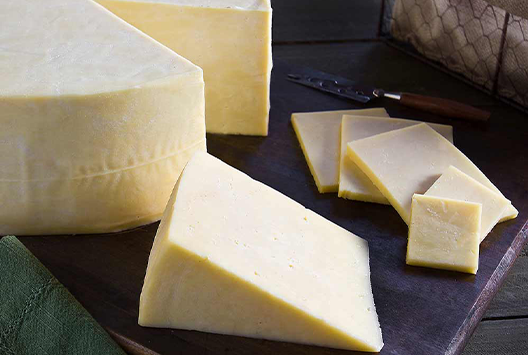
If you love cheese, then you're probably already familiar with the benefits of eating white cheddar cheese. But if not, today is your lucky day because we’ve compiled all the benefits of eating white cheddar cheese right here. 


The nutritional side of white cheddar cheese


To understand the healthy side of white cheddar cheese, it’s important to acknowledge all the essential nutrients it offers. Here's a breakdown of the nutritional value of white cheddar cheese: 


1. Vitamin A


White cheddar cheese is a great source of Vitamin A. One ounce (28 grams) of white cheddar cheese contains at least six percent of Vitamin A. This essential nutrient helps keep your eyesight strong and supports healthy skin, hair, and nails. It's also important for immune function and wound healing. 


2. Calories


White cheddar cheese is a great choice if you are watching your weight. With just 114 calories per ounce of serving, it's one of the lowest-calorie cheeses available. A serving of white cheddar cheese has approximately the same amount of calories as a serving of low-fat plain yogurt. This makes it a good choice if you want to cut back on calories and still get enough protein and calcium.


3. Carbohydrates


Carbohydrates are less than 0.5 ounces per serving of white cheddar cheese. This is an extremely low amount of carbohydrates for any food, making it a good choice for people trying to limit their carb intake. 


4. Protein


A serving of white cheddar cheese has about 7 grams of protein. This is a moderate amount of protein for any food, making it a good choice if you're looking to add more protein to your diet.


5. Calcium


Like any other type of cheese, white cheddar contains a large amount of calcium. A single serving of this cheese will give you about 20 percent of your recommended calcium intake. This makes it a good choice if you're trying to meet the RDI for this nutrient but want to avoid consuming dairy products like milk or yogurt.


Possible benefits of eating white cheddar cheese


Aside from the fact that it's delicious, white cheddar cheese has several health benefits. Here are some of them:


1. Healthier teeth: When consumed in moderation, white cheddar cheese can help strengthen the enamel on your teeth and reduce the risk of cavities. The calcium found in this type of cheese helps harden tooth enamel while also preventing bacteria from building up on your teeth. This means that less plaque will be formed and fewer cavities will occur.


2. Lower cholesterol: White cheddar cheese is a low-fat food, which means it's also a low-cholesterol food. By reducing the fat in your diet and eating more foods like white cheddar cheese, you can decrease the chances of developing conditions like heart disease or stroke.


3. Increased bone density: The calcium in white cheddar cheese can help increase bone density and prevent osteoporosis by strengthening bones with every bite you take. Calcium is ideal for building strong bones because it helps repair weak spots in the skeletal structure before they become problematic.


Indulge in white cheddar bliss! 


White cheddar cheese offers so many benefits that can be enjoyed by many. Found almost in every supermarket, this delicious cheese is both convenient and accessible. If you're looking to increase your cheese intake, consider adding a serving of white cheddar cheese to your next meal.


At Baladna, we have over 30 years of experience producing high-quality cheese and dairy products. Baladna’s white cheddar cheese is made with only the best ingredients, including fresh milk from our very own cows. We take pride in providing our customers with the highest quality products at affordable prices.
More Articles

Blog Why It’s Important to Get Your Daily Dose of Low-Fat Dairy
14 May, 2024

Why It’s Important to Get Your Daily Dose of Low-Fat Dairy

Dating back centuries, dairy products have always had a special place in people's diets. They're packed with vital nutrients and are a convenient option for those who lead a fast-paced lifestyle. More recently, there has been a shift towards low-fat dairy products, mainly due to their lower calorie content and lower levels of saturated fats. Though the switch to low-fat dairy may seem insignificant to you, it can positively influence your overall health and well-being. How?Low-fat dairy can improve bone densityHaving strong bones is the ultimate goal of every person out there, and it all comes down to something called bone density. The denser your bones, the stronger they are. And the stronger they are, the less likely you'll suffer from breaks and fractures. What's great about low-fat dairy products is that they are packed with nutrients that can help boost bone density such as calcium, phosphorus, magnesium, and vitamin D. Calcium helps keep bones healthy and prevents bone loss as we get older. Phosphorus, magnesium, and vitamin D are all essential for bone health because they help our bodies absorb calcium. And low-fat dairy products are packed with all these bone-friendly compounds. That's not all. Low-fat dairy products are also high in protein, which can also help build strong muscles - which we all know translates to strong bones. Low-fat dairy can help you maintain a good blood pressureLeading a healthy lifestyle and eating nutrient-packed foods are important for keeping our blood pressure in check and low-fat dairy products can help. Low-fat dairy products are a good source of calcium, magnesium, and potassium - all of which help regulate our blood pressure. Calcium can help relax our blood vessels, magnesium can help relax the arterial walls, and potassium can help reduce sodium in our bodies, which is a major factor in high blood pressure.Low-fat dairy products are also high in protein, which can also help keep our blood pressure at recommended levels. Studies have shown that a diet high in protein and low in carbs can help reduce the risk of developing high blood pressure. Last but not least, low-fat dairy products are packed with probiotics, which are good bacteria that help maintain good gut health and reduce inflammation which, in turn, reduces our risk of high blood pressure.Low-fat dairy can help you feel fuller for longerNot only are low-fat dairy products easy to consume, but they are a great addition to a healthy diet. Studies have found that low-fat dairy products are better at reducing hunger and promoting fullness when compared to high-fat dairy products. This is mainly due to the high protein content found in such products. Protein has the power to help you feel full for a longer period of time because it takes longer to digest than other types of food. So, adding more low-fat dairy products to your diet can be a great way to reduce your overall hunger and cravings.Lower fat, better health And that’s a wrap! Now that you’ve read about the benefits of low-fat dairy, it’s time to start writing down some items to buy during your next grocery shopping spree. It’s also important that you buy your dairy products from a trusted source. Baladna is a trusted dairy and beverage company in Qatar that provides authentic, fresh, and top-quality products. Our farm has the capacity to house up to 24,000 cows in a comfortable and well-conditioned environment, allowing them to reach their production capacity comfortably. Browse through our website and order your favorite low-fat dairy products now. 

Blog Different Ways Cow's Milk Can Help Boost Your Immune System
13 May, 2024

Different Ways Cow's Milk Can Help Boost Your Immune System

The human body is designed to build a strong immune system and many different factors come into play to help make that happen. One such factor is nutrition. Your meal plan and the products you consume daily can help make or break your immunity. Did you know that cow’s milk can help build stronger immune systems? Cow milk contains a range of nutrients - including proteins and vitamins - that are essential for the development and function of the immune system. So, what are the benefits of drinking cow milk?1. It's a complete mealCow milk has many nutrients that the body needs, such as vitamins A and D, protein, zinc and selenium, making it a complete meal on its own. All of these nutrients are critical for maintaining a strong immune system.2. It's a good source of protein Protein is an essential nutrient for the immune system. It helps build and maintain the body's tissues and organs, including the immune system cells. Cow milk is a good source of protein, with each cup containing about 8 grams of protein. 3. It's a good source of Vitamin AVitamin A is important for the development and function of the immune system. It helps maintain the skin's health, which is the body's first line of defense against infection. Cow milk is a good source of vitamin A; each serving of milk contains about 15% of the daily recommended intake.4. It's good for your bonesOne of the benefits of cow milk is that it is good for your bones. Cow milk contains high levels of calcium and other minerals essential for the formation of strong bones. 5. It helps prevent diabetesCow’s milk contains high levels of insulin-like growth factor-1 (IGF-1), a hormone that has been shown to reduce the risk of diabetes. Cow milk also contains high levels of calcium, which can help to improve insulin sensitivity and reduce the risk of diabetes. However, because milk contains carbs, drinking too much milk may cause your blood sugar to spike, so it is best to get the advice of a professional nutritionist regarding your intake. 6. It is brain food Cow milk is also a great source of brain food. It contains high levels of omega-3 fatty acids, which are essential for brain health. Omega-3 fatty acids are known to improve cognitive function and reduce the risk of Alzheimer’s disease.7. It fights depressionDepression is a serious mental illness that can have a devastating impact on a person’s life. Cow milk contains high levels of tryptophan, an amino acid that is effective in treating depression.8. It lowers cholesterolHigh cholesterol is a risk factor for heart disease. Cow milk contains high levels of saturated fat, which can help lower cholesterol. Saturated fat is known to increase the level of HDL cholesterol, which is the “good” cholesterol, and to decrease the level of LDL cholesterol, which is the “bad” cholesterol.The bottom lineAs we’ve seen above, cow's milk is an excellent source of nutrition and can help you build a strong immune system. It is packed with essential nutrients needed to keep your body healthy and fight infection. It also contains antibodies that can help protect you from disease. So, drink up and enjoy the benefits of cow's milk!Are you looking for high-quality dairy products in Qatar? Baladna provides authentic, fresh, and high-quality dairy products, including a wide range of milk products. These include skim milk, full fat milk, and a variety of flavored milk. Get yours today.

Blog Is It Safe to Consume Cheese If You Have Heart Disease?
17 November, 2024

Is It Safe to Consume Cheese If You Have Heart Disease?

As one of the most beloved and versatile dairy products, cheese has been a staple in many people's diets for centuries. However, for those with heart diseases, the question of whether cheese is safe to consume remains a concern. This article will explore the relationship between cheese and heart disease and provide insights into whether cheese should be included in a heart-healthy diet.Understanding heart diseaseThe term heart disease may refer to various conditions that affect the heart, including heart failure, coronary artery disease, arrhythmia, and valve disease. These conditions can lead to complications such as heart attacks, strokes, and even death. According to the American Heart Association, heart disease is the leading cause of death in the United States, responsible for one in four deaths each year.The role of diet in heart diseaseDiet plays a crucial role in the development and management of heart disease. Unhealthy eating habits, such as consuming too many saturated and trans fats, sodium, and added sugars, can increase the risk of heart disease. On the other hand, a heart-healthy diet that includes fruits, vegetables, whole grains, lean proteins, and healthy fats can reduce the risk of heart disease and improve overall heart health.Cheese and heart disease: What the experts sayCheese is a rich source of calcium, protein, and vitamins, making it a popular food choice for many. However, cheese is also high in saturated fat, which has been linked to an increased risk of heart disease. The American Heart Association recommends that people limit their intake of saturated fat to less than 6% of total daily calories to reduce the risk of heart disease.A study published in the journal Nutrition, Metabolism, and Cardiovascular Diseases found that consuming high amounts of cheese was associated with an increased risk of cardiovascular disease. The study followed 36,000 participants over ten years and found that those who consumed the most cheese had a 14% higher risk of developing heart disease than those who consumed the least.However, not all studies have found a link between cheese consumption and heart disease. A meta-analysis of 29 studies published in the European Journal of Epidemiology found that cheese consumption was not associated with an increased risk of heart disease or stroke. The researchers noted that some types of cheese, such as hard cheese, may even have a protective effect against heart disease.Moderation is keyWhen it comes to cheese and heart disease, moderation is key. While some studies have found a link between high cheese consumption and an increased risk of heart disease, other studies have found no association or even a protective effect. The type of cheese, serving size, and overall diet are all factors that can impact the relationship between cheese and heart disease.As mentioned before, you may need to limit your intake of saturated fat to less than 6% of total daily calories. This can be achieved by choosing lower-fat cheese options, such as reduced-fat or fat-free cheese, and by consuming cheese in moderation. The recommended serving size for cheese is one ounce, which is about the size of a pair of dice.Incorporating cheese into a heart-healthy dietIncorporating cheese into a heart-healthy diet is possible for those with heart disease or those looking to reduce their risk. Choosing lower-fat cheese options, such as reduced-fat or fat-free cheese, can help reduce saturated fat intake. Pairing cheese with fruits, vegetables, and whole grains can also help balance the overall nutrient profile of a meal.Some types of cheese may even provide health benefits. For example, cheese made from grass-fed cows may contain higher levels of omega-3 fatty acids, which have been linked to a reduced risk of heart disease. Cheese made from goat or sheep milk may also be a good alternative for those who are lactose intolerant or sensitive to cow's milk.Buying high-quality cheese While cheese can be a delicious and nutritious addition to a well-balanced diet, those with heart disease or at risk of heart disease should consume cheese in moderation. Choosing lower-fat cheese options and pairing cheese with fruits, vegetables, and whole grains can help reduce saturated fat intake and provide a more balanced nutrient profile. By incorporating cheese into a heart-healthy diet, individuals can continue enjoying this beloved dairy product while promoting overall heart health.If you are looking for the best cheese for your diet, look no further than our healthy selections here at Baladna. We are 100% Qatari, and we have one of the largest cattle farms in the region, providing authentic, fresh and quality dairy products. Browse through our website for more!

Blog Does Dairy Cause Inflammation? Here's An Overview
04 February, 2025

Does Dairy Cause Inflammation? Here's An Overview

Dairy has been a staple in the American diet for decades. It is a significant source of calcium, vitamin D, and other critical nutrients for bone health. However, there is a potential link between dairy consumption and chronic inflammation. The latter may lead to numerous health problems like diabetes, heart disease, and cancer. So, does dairy cause inflammation? Let's talk about it.The case against dairyA main argument against dairy is that it contains a protein called casein, which some people may be allergic to or intolerant to. Casein makes up about 80% of the protein in cow's milk and is also found in other dairy products like cheese and yoghurt. When exposed to casein, the body can trigger an immune response that leads to inflammation. This reaction is more common in people with dairy allergies or intolerances.Another potential cause of inflammation is the saturated fat content in dairy. Saturated fats have been connected to heart disease and other cardiovascular issues. One study suggests that a high intake of saturated fat can trigger inflammation. Dairy products like butter, cheese, and whole milk are high in saturated fat, which could be problematic.The case for dairyDespite the concerns about dairy, many health experts still recommend it as part of a healthy diet. Dairy is an excellent source of calcium, which is essential for bone health. It also contains other nutrients like vitamin D, potassium, and magnesium. All of these nutrients are necessary for overall health and well-being.Furthermore, some studies suggest that dairy may have anti-inflammatory effects. For example, a study found that dairy consumption was linked to lower levels of C-reactive protein (CRP), a good indicator of inflammation. According to another published article, consuming dairy products regularly, such as yoghurt and milk, was associated with a lower risk of developing type 2 diabetes.So, what's the verdict?While some studies suggest that dairy is a potential cause of inflammation, others suggest it may have anti-inflammatory effects. It's also worth noting that not everyone reacts to dairy similarly. Some people may be more sensitive to casein or saturated fat than others.The best approach is to listen to your body. If you notice that consuming dairy products causes discomfort or inflammation, it may be worth cutting back or eliminating them from your diet. On the other hand, if you tolerate dairy well and enjoy it as part of a balanced diet, there's no need to cut it out.The quality of the dairy products you consume is also worth considering. Opt for high-quality, organic dairy products whenever possible. Organic dairy products come from cows not treated with antibiotics or hormones and not fed with pesticides and other harmful chemicals. This means their milk and dairy products are of higher quality and contain fewer toxic substances that could trigger inflammation.Final Thoughts The relationship between dairy and inflammation is not clear-cut and varies from person to person. Observe how your body reacts to dairy and make choices based on your needs and preferences. Choosing high-quality, organic dairy products can also help reduce the potential for inflammation. A balanced, nutritious diet is vital to overall health and well-being. If you have concerns about dairy and inflammation, speaking with a registered dietitian or healthcare provider is always a good idea.Baladna takes pride in being the best dairy and beverage company in Qatar. We offer a wide selection of high-quality, organic dairy products, including milk, yoghurt, laban, cheese, and more. Order Baladna products to enjoy the benefits of organic dairy!