Blog Make Mornings a Family Moment
26 August, 2025

Make Mornings a Family Moment

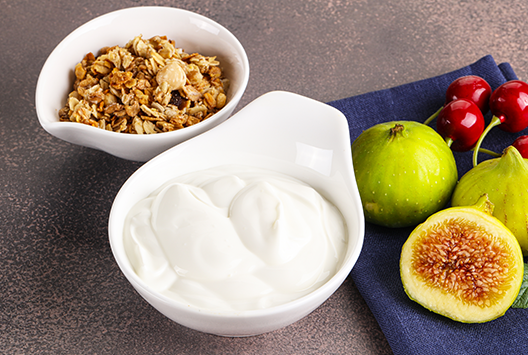
Even on busy school days, sit down together for a few minutes. A shared breakfast can make the morning feel less rushed.


More Articles

Blog When Is The Best Time To Drink Milk? And What Are The Benefits?
27 August, 2025

When Is The Best Time To Drink Milk? And What Are The Benefits?

While milk can be consumed at any time of the day, drinking milk at night can have several benefits. Drinking milk at night has been a long-standing tradition in many cultures for centuries. While some may argue that it’s an old wives’ tale, scientific evidence supports the benefits of drinking milk at night. Here are some ways drinking milk at night can improve health.1. Helps people fall asleep fasterMilk contains tryptophan, an amino acid converted into serotonin and melatonin in the brain. Serotonin is a neurotransmitter that helps regulate mood, while melatonin is a hormone that helps regulate sleep. By drinking milk before bed, people can increase the levels of these chemicals in their brains, which can help them fall asleep faster.2. Promotes healthier sleep cyclesIn addition to helping people fall asleep faster, drinking milk at night can promote healthier sleep cycles. Milk contains calcium, which helps regulate the production of melatonin. By consuming milk before bed, people can help regulate their sleep cycles, leading to better quality sleep.3. Improves psychological healthDrinking warm milk before bed can also have psychological benefits. The warmth and comfort of the milk can help people feel relaxed and calm, reducing stress and anxiety. Additionally, drinking warm milk before bed can become a comforting bedtime routine, improving overall psychological well-being.Warm vs. Cold MilkMilk is a staple in many diets and is an excellent source of essential nutrients such as calcium, vitamin D, and protein. It is consumed in many forms, including as a beverage, in recipes, and as a supplement. Meanwhile, milk's nutrient content remains the same regardless of temperature. Some differences exist between warm and cold milk.Warm MilkDrinking warm milk can have a soothing effect on the body, helping to promote relaxation and improve sleep. Warm milk can also help improve digestion and promote healthy bowel movements. Additionally, warm milk can be a comforting bedtime routine, enhancing psychological well-being.One reason is that milk contains an amino acid called tryptophan, a precursor to the neurotransmitter serotonin. Serotonin is a chemical that helps regulate mood, appetite, and sleep. When you consume tryptophan, your body converts it into serotonin, which can help promote calmness and relaxation.Cold MilkCold milk can refresh the body, making it an excellent option for hot summer days. Cold milk can also be used in smoothies or other cold beverages, making it a versatile ingredient. Additionally, cold milk can be an excellent post-workout beverage, as it can help replenish the body's fluids and nutrients.Cold milk can also be used in smoothies or other cold beverages. It is a versatile ingredient that can be combined with fruits, nuts, and other ingredients to create unique and delicious drinks. Smoothies made with cold milk are an excellent way to get a healthy dose of nutrients while also enjoying a tasty and refreshing drink.

Blog Goat vs. Cow Milk Cheese: What Are the Main Differences?
14 May, 2024

Goat vs. Cow Milk Cheese: What Are the Main Differences?

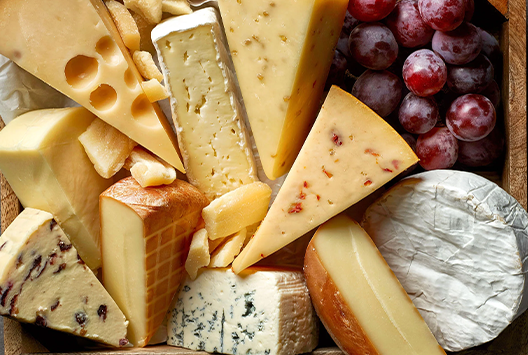
Cheese coming from cow's milk or goat's milk may seem like distant cousins at first glance, but they are actually quite different! Do you know what these differences are? Fortunately for you, we’ve pointed out some of them below. Are you ready for some cheesy knowledge?Goat Cheese: What is it?Any cheese made solely from goat's milk is known as goat cheese or chèvre in French. Goat milk has a low casein content, which results in tiny, breakable curds. Goat cheese can turn chalky, brittle, or earthy as it matures. Goat cheese is typically creamy, spreadable, and tart when young. Because it contains a lot of vitamin A, goat cheese appears slightly brighter. This type of cheese is also packed with vitamins E, K, B6, and B3 (niacin). The taste of goat cheese is quite unique because of the presence of medium-chain fatty acids like caprylic and capric acid.There are three critical differences between cheese made with goat’s milk and that made with cow's milk. We’ve listed them below: Nutrition: Goat milk has a slight edge over bovine dairy regarding fat and nutrients but is lower in lactose, vitamin D, and riboflavin. Cow's milk has more giant lipid molecules than goat's milk, which makes it harder to process and gives it a heavier texture. Lactose-sensitive people might be able to consume goat's milk cheese because it has smaller fat molecules and less lactose than cow's milk cheese.Flavor: Cow's milk is preferred for cheese production because of its mild, neutral flavor and more cohesive protein structure. Compared to cow's milk cheese, goat cheese tends to be smoother and tangier.Accessibility: Cow's milk cheese is much more widely accessible. While goat's milk is usually produced locally in small batches, cow's milk is less expensive and more widely available.Popular slices of cheese made from cow's milkFrom cow's milk, a variety of well-known cheeses are produced, including: Fresh Cow CheesesThe best cheeses are those that can be spread and are produced from fresh cows. Many new pieces of cheese are usually made with cow's milk, such as quark in Austria, cream cheese in the United Kingdom, mascarpone in Italy, queso fresco in Mexico, cottage cheese in the United States, and fromage blanc in France. Soft and Semi-Soft Cow CheesesCow cheeses that are soft or semi-soft have a creamy texture and maintain their form. French cheese like Brie, Camembert, and Port Salut are a few of these. American cheeses Wisconsin Brick and Monterey Jack are also included.Blue Cheeses Blue growing lines on cheese make it easy to identify. The British delicacies Gorgonzola and Stilton (from Italy) are the most well-known blue cheeses made from cow’s milk.Hard and Semi-Hard Cow CheesesThe finest aged hard or semi-hard cow cheeses have a firm texture, making them perfect for slicing and grating. Emmental from Switzerland, Gruyère from France, Swiss and Colby from the United States, Cheddar from the United Kingdom, Gouda and Edam from the Netherlands, and Parmesan and Provolone from Italy are some of the hard bovine cheeses available today (Italy).High-Fat CheesesThe rind of high-fat cheeses contains a soft, cream-like material. Double cream (over 60% fat content) and triple cream (over 72%) are high-fat cheeses resembling Brie but are much heavier. These include cheeses like Brillat-Savarin, Explorateur, Gratte-Paille, and others from the French Fin-de-Siècle period.Common Goat's Milk CheesesThe chèvre - a soft, spreadable raw cheese - comes to mind when we think of goat's milk cheese. However, almost any type of cheese can be made with goat's milk, including:- Crottin de Chavignol is a type of hard goat cheese (France)- Goat cheeses that melt quickly, such as Chabichou, Cabécou, and Banon (France)- French blue goat cheeses include Humboldt Fog and Valençay

Blog 5 Different Types of Cheese That You Need to Know About
15 September, 2024

5 Different Types of Cheese That You Need to Know About

The world of cheese is a delightful one filled with so many different kinds! Each type has its own flavor, texture, and uses. There is a whole world of cheese to explore and we’ve put together a list of five awesome types you just have to try. Are you ready for some cheesy goodness?1. Cheddar CheeseFrom grilled cheese sandwiches to macaroni and cheese, cheddar cheese is a versatile cheese that can be used in a variety of dishes. Cheddar cheese has a sharp, tangy flavor that is perfect for those who like a little bit of a bite in their cheese.Cheddar cheese is made from cow's milk and is one of the most popular cheeses in the world. Cheddar cheese is named after the village of Cheddar in Somerset, England, where it was first made. Cheddar cheese is a hard cheese and has a natural yellowish color. Cheddar cheese is usually aged for two to five years; the longer it is aged, the sharper its flavor.2. Swiss CheeseWhen it comes to cheese, there are so many different types to choose from. But, one cheese that always stands out is Swiss cheese. Swiss cheese is a mild, white cheese that is often used in quesadillas, paninis, and grilled cheese sandwiches. Swiss cheese has a nutty flavor that pairs well with other ingredients.If you're looking for a cheese that will give your dish a little extra flavor, then Swiss cheese is a great option. So, the next time you're at the grocery store, be sure to pick up some Swiss cheese!3. Mozzarella CheeseMozzarella cheese is a soft and milky-white delight that brings extra goey goodness to your pizzas and lasagnas. Mozzarella cheese has a mild flavor that makes it a versatile cheese for many different dishes. You could also opt for fresh mozzarella to create an out-of-this-world Caprese salad bursting with flavors. 4. Parmesan CheeseParmesan cheese is a hard, yellow cheese that is often used in spaghetti and other Italian dishes. Parmesan cheese has a strong, salty flavor that can really enhance the flavor of a dish. If you're looking to add a little extra flavor to your next Italian meal, consider using Parmesan cheese. This cheese can really elevate the flavor of your dish, and it's easy to find at most grocery stores.5. Feta CheeseFeta cheese is a soft, white cheese that has a strong, salty flavor. It is a Greek cheese that is made from sheep’s milk. It is often used in Greek salads and on pizzas. It is also a great addition to your savory pastries.It’s cheesy goodness everywhere With the knowledge of these five types of cheese, you are sure to find the perfect cheese for any recipe or occasion. Feel free to refer back to this article if you need a quick refresher on the different types of cheese out there. If you’re looking for high-quality cheese, we here at Baladna have got you covered. To ensure consumers’ wellness, we provide natural and nutritious foods and beverages, while maintaining the most rigorous food safety and biosecurity protocols. For more information on our products, visit our website today!

Blog Greek Yoghurt vs. Regular Yoghurt: Which One Is Right For You?
03 October, 2024

Greek Yoghurt vs. Regular Yoghurt: Which One Is Right For You?

Yoghurt is a staple in many diets across the globe and is known for its creamy texture and tangy flavor. This versatile, protein-packed food can be enjoyed with fruits, nuts, or savory ingredients. While several types of yoghurt are available in the market, two of the most popular varieties are Greek yoghurt and regular yoghurt. With Baladna's range of high-quality yoghurts, it's essential to understand the differences between these two types to determine which suits your taste and nutritional needs better. In this blog post, we will compare Baladna Greek yoghurt and regular Baladna yoghurt to help you make an informed decision.Baladna Greek Yoghurt vs. Regular Baladna Yoghurt: What's the difference?1. Production ProcessGreek yoghurt and regular yoghurt begin with the same ingredients — milk and live bacterial cultures. However, the production process differs slightly, resulting in unique textures and nutritional profiles.Regular yoghurt is made by fermenting milk with live bacterial cultures, allowing the bacteria to convert lactose into lactic acid. This process thickens the milk and gives yoghurt its characteristic tangy flavor.On the other hand, Greek yoghurt undergoes an additional step after fermentation. The yoghurt is strained to remove excess whey, resulting in a thicker, creamier consistency. Baladna's Greek yoghurt is made using a traditional straining method that ensures its signature rich texture.2. Texture and TasteThe most apparent difference between Greek yoghurt and regular yoghurt is its texture. Greek yoghurt is thicker and creamier, owing to the removal of whey during the straining process. Regular yoghurt, while still smooth, has a thinner consistency.Taste-wise, Greek yoghurt is often described as having a more concentrated flavor due to its reduced whey content. It has a slightly tangier taste than regular yoghurt, which may be milder and sweeter, depending on the brand and variety.3. Nutritional DifferencesGreek yoghurt and regular yoghurt also differ in their nutritional profiles. Here's a breakdown of their key nutrients:Fat: The fat content in both yoghurt types depends on the milk used during production. Both Greek and regular yoghurt have full-fat, low-fat, and fat-free options. Baladna offers full-fat Greek yoghurt and a range of regular yoghurt options, including low-fat and fat-free varieties.Calcium: Regular yoghurt typically has a higher calcium content than Greek yoghurt. The straining process in Greek yoghurt production removes some of the calcium-rich whey. However, both yoghurt types still contribute to your daily calcium intake.Probiotics: Greek and regular yoghurt contain live bacterial cultures (probiotics) that can benefit gut health. Some brands may have more probiotic strains than others, so checking the label for specific information is essential.Is one better than the other?The choice between Greek and regular yoghurt ultimately depends on your taste preferences and nutritional needs. If you prefer a thicker, creamier texture and tangier taste, Greek yoghurt may be the better option. Additionally, it's an excellent choice for those looking for a higher protein and lower carbohydrate content.Regular yoghurt is still nutritious, with a milder flavor and thinner consistency. It may be more suitable for those who require a higher calcium intake or prefer a gentler taste.It’s a yoghurt world Baladna yoghurt products ensure that you can enjoy the benefits of both Greek and regular yoghurt, depending on your preferences. Whether you prefer the tangy taste of Greek yoghurt or the creamy sweetness of regular yoghurt, both can be part of a healthy and balanced diet.Are you looking for high-quality yoghurt? Baladna provides authentic, fresh, and quality dairy products. Our farm can house up to 24,000 cows in a comfortable and well-conditioned environment, allowing them to reach their production capacity comfortably. Browse more of our products today!