Blog Here Are 4 Reasons Why Dairy Is Good for You
27 August, 2025

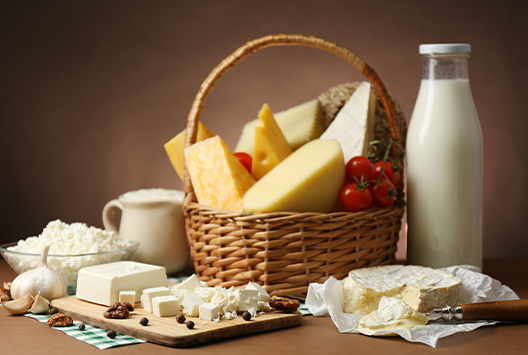
Here Are 4 Reasons Why Dairy Is Good for You

Are you ready to dive into the deliciously nutritious world of dairy? Get your spoons and straws ready because we are about to embark on a tour of the health benefits that dairy has to offer. 


From yoghurt and ayran to milk and cheese, there's a whole barn-load of goodness that we often take for granted. So why don't you join us as we milk this topic for all it's worth, and uncover the secrets that make dairy products not just tasty, but amazing for our health too!


1. Calcium: The ultimate cheerleader for your bones 


You've probably heard it a thousand times before, but we'll say it again: calcium is vital for strong bones and teeth. And when it comes to calcium, dairy is the MVP. A single glass of milk contains around 300 mg of calcium, which is about one-third of an adult's daily requirement. 


Say goodbye to brittle bones and hello to a stronger, more robust skeleton. Plus, the calcium in dairy products is easily absorbed by the body, so you can be sure that your bones are reaping the full benefits. Remember the old saying, "milk does a body good”? Turns out it's true!


2. Protein: The whey to go for muscle growth and repair


Dairy products aren't just good for your bones; they are also packed with high-quality protein. This macronutrient is essential for muscle growth, repair, and maintenance, as well as keeping your hair, nails, and skin looking fabulous. 


Milk, cheese, and yoghurt all contain a good amount of protein, but Greek yoghurt and cottage cheese are particularly protein-rich options. 


And if you've been hitting the gym, you've probably heard about the wonders of whey protein. This fast-absorbing protein, derived from milk, can help you build muscle, lose fat, and improve your athletic performance. 


3. Probiotics: The gut-feeling you can trust 


If you're looking for a gut-friendly food, look no further than fermented dairy products like yoghurt and kefir. These delightful treats are packed with live bacteria and yeast, aka probiotics, which are essential for maintaining a healthy gut microbiome. 


Probiotics can help with digestion, boost your immune system, and even improve your mood (yes, that's right—a happy belly equals a happy mind). So, don't be sour, embrace the probiotic power of dairy and watch your gut health flourish.


4. Overall improvement in health


The health benefits of dairy don't stop at calcium, protein, and probiotics. Consuming dairy products can help lower your risk of developing heart disease, type 2 diabetes, and high blood pressure. 


Plus, dairy has been linked to improved weight management and a reduced risk of obesity. And for those who are lactose intolerant, don't worry, there are plenty of lactose-free dairy options available, so you can still reap the rewards of this nutritious food group.

More Articles

Blog Beyond The Block: Foods You Can Eat With Feta Cheese
14 May, 2024

Beyond The Block: Foods You Can Eat With Feta Cheese

Feta cheese is an iconic cheese that has been enjoyed for centuries in Mediterranean countries. Its unique flavor and texture set it apart from other cheeses. Not only is it a delicious addition to any meal, but it also offers a variety of health benefits. This dairy product is the perfect option if you’re looking to add a unique flavor to your dishes. From salads to different kinds of pasta, many foods pair well with feta. Here are some of them:  Salads & Vegetables Do you want to get more protein and nutrients from your meals? Adding dairy products to salads is a great way to do just that! Dairy products contain essential vitamins and minerals to help you feel fuller for longer. They’re also a significant source of protein, which can help build muscle and aid in weight management.  Feta cheese is one example of a dairy item that goes perfectly with various salads and vegetables. You can chop it into cubes and add it to a classic Greek salad or create a Mediterranean-style salad with feta, tomatoes, cucumbers, and olives. You can also sprinkle some feta over a bed of greens or roasted vegetables for a flavorful and nutritious meal. Pasta Dishes Of course, it's a known fact that adding cheese to your favorite pasta dishes will elevate your culinary experience. Incorporating feta cheese in your pasta dishes can add a unique flavor and texture to your meal. You can either use it as a topping or mix it into the pasta.  Feta cheese is especially delicious with tomatoes, olives, and garlic. You can add feta to classic dishes like macaroni, cheese, or lasagna.  Aside from that, feta cheese can add a touch of salty flavor to any pasta dish. For example, you can sprinkle it over a creamy Alfredo sauce or mix it into a pesto sauce. The possibilities are endless! Meats You might think pairing feta with meat is odd, but you will never know what a treat it is until you try it. You can mix feta with ground beef for a delicious burger patty. Or, you can top a grilled steak with feta for a salty, tangy flavor.  You can combine feta with other ingredients to create an amazing marinade for your favorite meats. For example, you can mix feta, olive oil, garlic, and oregano to create a flavorful marinade for chicken, pork, or beef.  Desserts Feta pairs well with sweet flavors like honey, cinnamon, and chocolate. You can make a delicious feta and honey tart or a feta and dark chocolate brownie if you’re a fan of sweet and salty combos. You can also use feta to make a savory cheesecake or top a slice of cake with crumbled feta for a salty and sweet twist.  You can never go wrong with feta   With its creamy texture and salty flavor, it is easy to see why feta cheese is a popular choice for many dishes. So, the next time you want to elevate your meal, try adding some feta. You won't regret it! Baladna offers a wide variety of dairy products that satisfy your taste buds — from feta cheese to yoghurt and cream cheese. Whether you are looking for something to top your salads or something to add to your pasta dishes, Baladna has you covered. Buy our products today! 

Blog All You Need To Know About Cheddar Cheese: Our Guide
16 August, 2024

All You Need To Know About Cheddar Cheese: Our Guide

Cheddar cheese is a favorite among many, thanks to its sharp, tangy flavor and creamy, crumbly texture. This cheese has a long history, with its origins going back to the 12th century in England. It is made from cow's milk and comes in various colors — from white, yellow, and orange, to red and even black.Cheddar cheese is an essential ingredient in many dishes and adds flavor and texture to various recipes. This guide will explore everything you need to know about cheddar cheese — from its history and production process to the different types and uses.Where does cheddar cheese come from? Before dairy and beverage companies made it in bulk, cheddar cheese originated in the English village of Cheddar, located in Somerset, in the 12th century. Local cheese makers made cheddar cheese from local sheep's milk, which they kept for their wool. They stored the cheese in caves, which were naturally cool and moist, and the aging process gave the cheese its unique flavor. Over the years, cheddar cheese spread throughout England and beyond. Then, in the 19th century, it was exported to America. Today, cheddar cheese is produced worldwide, including in North America, Australia, and New Zealand. It has become one of the most widely-used cheeses in the world and is the star of many dishes such as macaroni and cheese and burgers.What are the different kinds of cheddar cheese? There are many kinds of cheddar cheese that differ in color, preparation, and flavor. Here are eight of the most common types of cheddar cheese manufactured by dairy and beverage companies today.1. Mild Cheddar: Mild cheddar is a pale yellow, semi-soft cheese with a mild and creamy flavor. It is aged for a short period, usually two to three months. It is ideal for grilled cheese sandwiches (or other wraps as well), salads, nachos, and quesadillas. 2. Medium Cheddar: Medium cheddar is a pale yellow cheese with a slightly sharp flavor. It is aged for four to six months. It is excellent for grating on portions of pasta, pizzas, and salads. 3. Sharp Cheddar: Sharp cheddar is a pale yellow cheese with a sharper flavor. It is aged for six to nine months and is a great option for cheeseburgers, baked potato dishes, cheesy dips, creamy soups, and vegetable casseroles. 4. Extra Sharp Cheddar: Extra sharp cheddar is a pale yellow cheese with a strong and sharp flavor. It is aged for 9-12 months and is excellent for grating on pasta, pizzas, and salads. It’s also great in quiches and savory tarts. 5. Smoked Cheddar: Smoked cheddar is a pale yellow cheese with a smoky flavor. It is aged for 6-9 months and is excellent for adding a smoky flavor to salads, soups, baked potatoes, and charcuterie boards.6. Aged Cheddar: Aged cheddar is a pale yellow cheese with a strong, sharp flavor. It is aged 12-18 months and is excellent for people who prefer a sharper taste in their dishes. It is ideal for gourmet cheese and crackers platters, cheddar and broccoli casserole, and many other dishes.7. White Cheddar: White cheddar is a white cheese with a mild, creamy flavor. It is aged two to three months and is excellent for sandwiches, salads, and snacks. It’s also ideal for pasta dishes and mashed potatoes. 8. Colby Cheddar: Colby cheddar is a pale yellow, semi-soft cheese with a mild, creamy flavor. It is aged two to three months and is excellent for sandwiches, wraps, quesadillas, omelets, quiches, and gratin recipes.  Cheddar never disappoints Cheddar is a cheese that is sure to please any palate. If you’re looking for a trusted dairy source in Qatar, Baladna is here for you. Baladna is a dairy and beverage company in Qatar that provides authentic, fresh, and high-quality dairy products. We produce our cheese from the milk we harvest from our own cattle farm to ensure uniform taste and quality in our offerings. Contact us to learn more. 

Blog 5 Frequently Asked Questions About Consuming Yoghurt
12 September, 2024

5 Frequently Asked Questions About Consuming Yoghurt

Discover the irresistible world of yoghurt, a delightful dairy product made by fermenting milk with beneficial bacteria like Lactobacillus bulgaricus and Streptococcus thermophilus. Creamy and indulgent, this nutritious superfood is packed with protein, calcium, and even probiotics to nourish your body and soul. Whether enjoyed in its pure form or topped with fruits, nuts or other delectable ingredients, yoghurt has become a go-to snack for many. But what kind of questions do people have about consuming yoghurt? Here are some of the most frequently asked questions: 1. When should people eat yoghurt?The best time to eat yoghurt is on an empty stomach in the morning. Not only is it tasty and nutritious, but it’s also a great way to get a healthy dose of probiotics into your diet. It also helps regulate the digestive system while boosting your energy for the rest of the day.When eating yoghurt in the morning, choosing a low-sugar and protein variety is essential. Greek yoghurt is an excellent choice as it contains probiotics and is high in protein and calcium. You can also add some fresh fruit, nuts, or seeds to your yoghurt for nutrition.2. What are the effects of eating yoghurt at night?Eating yoghurt at night can have a few potential benefits and a few potential drawbacks. Yoghurt is a good source of calcium and probiotics, which can help boost your immune system and improve digestion. It can also help keep your blood sugar steady, benefiting those with diabetes.On the downside, eating yoghurt at night can cause heartburn and indigestion due to its high fat content. It can also lead to weight gain if you’re not careful with portion size. Additionally, if you’re eating yoghurt containing added sugar, it can lead to a spike in blood sugar and an energy crash later.3. Is it okay for people to eat yoghurt right after meals?Yes, people can eat yoghurt after meals. Yoghurt can be a great way to get your dose of probiotics, which can help keep your gut healthy and improve digestion. However, people should wait for at least two hours after meals to avoid stomach acid from killing the live bacteria.Yoghurt can also help balance blood sugar levels, which helps avoid energy crashes after eating. Additionally, yoghurt is a good source of calcium, which can help strengthen bones and teeth. However, it is essential to watch your portion sizes and avoid yoghurts with added sugar.4. When should people eat yoghurt for weight loss?Eating yoghurt as part of a balanced diet is great for weight loss. Yoghurt can be a great snack as it is lower in calories and fat than many other snacks, such as chips and cookies. It is also a good source of protein and calcium, which can help keep you feeling full and satisfied.Eating yoghurt in the morning or as a mid-morning snack is best. Eating yoghurt in the morning can help kickstart your metabolism and give you energy for the day. Eating it as a mid-morning snack can help prevent overeating later in the day.5. Are there side effects to eating yoghurt at night?In general, eating yoghurt at night has no significant side effects. However, it is essential to note that overeating yoghurt at night could lead to indigestion and heartburn. Eating a light snack, such as a small serving of yoghurt, is recommended if you eat late at night.

Blog Your Guide to Serving and Eating Mozzarella the Right Way
13 May, 2024

Your Guide to Serving and Eating Mozzarella the Right Way

Mozzarella cheese is one of the most popular types of cheese and is a staple in several dishes. Whether you're craving pizza, lasagna, cheese platters, or sandwiches, you can never go wrong with its cheesy goodness. It is also an excellent source of protein and calcium. However, like other foods, it is essential to learn the proper way to serve and eat mozzarella to enjoy it in the best way possible. And we’re here to guide you through it. First things first: What Is mozzarella?Mozzarella is a type of cheese made from cow's milk. It is a specialty product originating from Southern Italy. While it's typically white in color, it can vary from light yellow to creamy white, depending on the cow's diet. This type of cheese is usually available in round balls, ranging between 100 and 250 grams in size, braided or bite-sized shapes. Tips for serving and eating mozzarellaIf you want to serve and eat mozzarella cheese the right way, it is essential to follow mozzarella etiquette. Below are some tips you should take into consideration when storing, serving, and eating mozzarella.Storing mozzarellaPlace mozzarella in the fridge, and not in the freezer. Instead of wrapping it in plastic, store it in a bowl or container with whey or a solution made of cow’s milk and water. Cooked mozzarella can last three to five days in the fridge or one or two months in the freezer. It is best to consume it within one or two days after opening it. Cleaning mozzarellaYou don't need to wash mozzarella before consuming it because it is packaged in an edible liquid. Cooking mozzarellaThe best part about mozzarella is that it can be consumed in different ways. You can bake, fry, grill, or even add it raw to pasta dishes. You can also use mozzarella in your salads and sandwiches. Serving mozzarellaIt is best to serve mozzarella at room temperature. When arranging a cheeseboard, place mozzarella as the mildest option on the platter. To ensure you are serving the best mozzarella, make sure you go for fresh, moist, and firm pieces. Ensure every 125 grams contains around 330 calories for a healthy serving. Pairing mozzarella Mozzarella goes well with salads and pizzas. You can also pair it with bread or focaccia and season with salt, olive oil, oregano, and black pepper. You can never go wrong with a crowd favorite! Mozzarella is a crowd favorite because it goes well with many mouthwatering dishes. Educating yourself on how to serve and eat it properly can help you enjoy this cheesy experience better. If you're looking for the most trusted dairy and beverage company in Qatar, you've come to the right place. Baladna strives to bring authentic, fresh, and best dairy products nationwide. Visit our website and browse our products today!