Blog 5 Easy Ways to Incorporate Dairy Into Your Healthy Eating Habits
13 September, 2024

5 Easy Ways to Incorporate Dairy Into Your Healthy Eating Habits

Similar

Dairy is an integral part of a balanced diet, providing essential nutrients like calcium, protein, and vitamins A and D. Unfortunately, many people think of dairy as unhealthy and try their best to avoid it. But with a few simple changes to your diet, you can incorporate dairy into a healthy eating plan. 


Here are several ways you can add dairy to your diet: 


1. Eat yoghurt for breakfast 


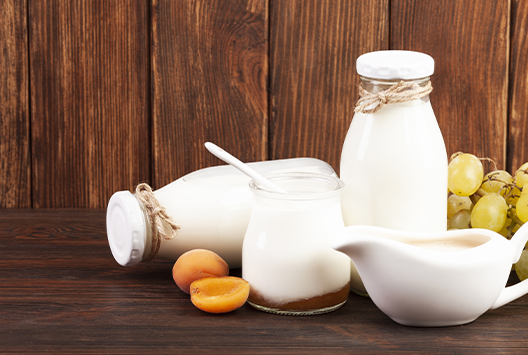
Yoghurt is the perfect choice for a nutritious and delicious breakfast. This snack is packed with protein, calcium, and probiotics to help keep your gut healthy. Not to mention, yoghurt is quick and easy to prepare. All you need is a few simple ingredients to start your day right!


You can top your yoghurt with fresh fruit, nuts or granola can for added flavor and nutrition. If you’re looking for a sweet treat, you can add some honey or agave nectar. 


2. Use cottage cheese in salads


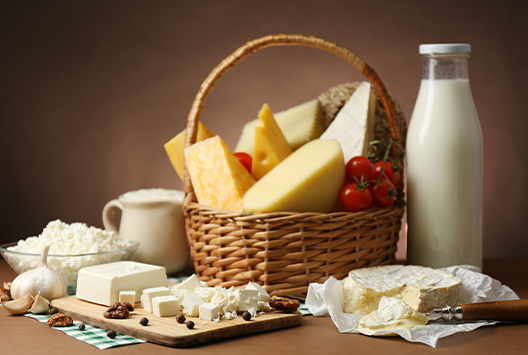
Cottage cheese is a low-fat, high-protein dairy product that is known for its versatility. You can mix it with anything to create a healthy salad. Not only is cottage cheese low in fat and high in protein, but it is also creamy and mild, which can easily be incorporated into salads, dips, and more.


You can mix cottage cheese in salads with other veggies, fruits, and nuts to create a nutritious, delicious salad. For a heartier salad, mix cottage cheese with roasted vegetables, quinoa, and nuts for a delicious, protein-packed meal. 


3. Add milk to your smoothies


Milk is an excellent source of anything and everything that your body needs to be healthy. Adding milk to your smoothies, for example, is an easy way to increase your daily dairy intake and ensure you get all the essential nutrients you need to stay healthy.


Be mindful of the kind of milk you use. Whole milk is usually the best choice as it contains more fat and calories than skim milk, making it more filling and satisfying. However, if you’re trying to cut back on calories or fat, you can opt for skim or low-fat milk instead.


4. Make a dairy-based soup

Dairy-based soups are easy to make and are versatile in their ingredients. Not only are they a great source of protein, but they also provide essential vitamins and minerals. Whether you choose a creamy soup like potato leek soup or a broth-based dish like chicken noodle soup, you can be sure that you are getting plenty of essential nutrients from dairy-based ingredients.


When it comes to ingredients, the possibilities for making a dairy-based soup are endless. Take your pick from milk, cream, yoghurt, cheese, and butter, just to name a few. Each of these adds a unique flavor to the soup and a wealth of nutrients.


5. Treat cheese as a healthy snack


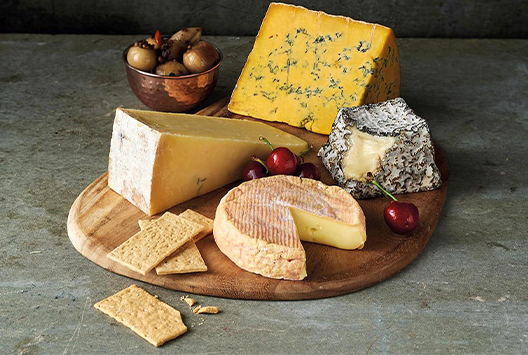
Cheese can be a great, healthy snack that is loved by many people. Besides being rich in protein and calcium, it provides essential minerals and vitamins like zinc, phosphorus, and vitamin A. In addition, eating cheese in moderation can help you meet your dietary needs while providing a delicious snack.


The best part is that cheese can be used in various dishes like salads and sandwiches. It can be served on its own as part of a cheese platter or added to a variety of dishes, such as salads and sandwiches, or even as the main ingredient in a savory casserole.


Get your daily dose of dairy with Baladna 


Incorporating dairy into healthy eating habits is an easy and delicious way to improve overall health. Dairy products are a great source of many essential nutrients, including calcium, protein, and B vitamins. Eating dairy, along with a proper diet, can help your body maintain strong bones and teeth, as well as help keep your skin healthy. 


Baladna takes pride in being a trusted dairy and beverage company in Qatar. From cheddar cheese to fresh milk, we have everything you need to satisfy your dairy needs. Contact us for more information about our dairy products. 


More Articles

Blog Goat vs. Cow Milk Cheese: What Are the Main Differences?
14 May, 2024

Goat vs. Cow Milk Cheese: What Are the Main Differences?

Cheese coming from cow's milk or goat's milk may seem like distant cousins at first glance, but they are actually quite different! Do you know what these differences are? Fortunately for you, we’ve pointed out some of them below. Are you ready for some cheesy knowledge?Goat Cheese: What is it?Any cheese made solely from goat's milk is known as goat cheese or chèvre in French. Goat milk has a low casein content, which results in tiny, breakable curds. Goat cheese can turn chalky, brittle, or earthy as it matures. Goat cheese is typically creamy, spreadable, and tart when young. Because it contains a lot of vitamin A, goat cheese appears slightly brighter. This type of cheese is also packed with vitamins E, K, B6, and B3 (niacin). The taste of goat cheese is quite unique because of the presence of medium-chain fatty acids like caprylic and capric acid.There are three critical differences between cheese made with goat’s milk and that made with cow's milk. We’ve listed them below: Nutrition: Goat milk has a slight edge over bovine dairy regarding fat and nutrients but is lower in lactose, vitamin D, and riboflavin. Cow's milk has more giant lipid molecules than goat's milk, which makes it harder to process and gives it a heavier texture. Lactose-sensitive people might be able to consume goat's milk cheese because it has smaller fat molecules and less lactose than cow's milk cheese.Flavor: Cow's milk is preferred for cheese production because of its mild, neutral flavor and more cohesive protein structure. Compared to cow's milk cheese, goat cheese tends to be smoother and tangier.Accessibility: Cow's milk cheese is much more widely accessible. While goat's milk is usually produced locally in small batches, cow's milk is less expensive and more widely available.Popular slices of cheese made from cow's milkFrom cow's milk, a variety of well-known cheeses are produced, including: Fresh Cow CheesesThe best cheeses are those that can be spread and are produced from fresh cows. Many new pieces of cheese are usually made with cow's milk, such as quark in Austria, cream cheese in the United Kingdom, mascarpone in Italy, queso fresco in Mexico, cottage cheese in the United States, and fromage blanc in France. Soft and Semi-Soft Cow CheesesCow cheeses that are soft or semi-soft have a creamy texture and maintain their form. French cheese like Brie, Camembert, and Port Salut are a few of these. American cheeses Wisconsin Brick and Monterey Jack are also included.Blue Cheeses Blue growing lines on cheese make it easy to identify. The British delicacies Gorgonzola and Stilton (from Italy) are the most well-known blue cheeses made from cow’s milk.Hard and Semi-Hard Cow CheesesThe finest aged hard or semi-hard cow cheeses have a firm texture, making them perfect for slicing and grating. Emmental from Switzerland, Gruyère from France, Swiss and Colby from the United States, Cheddar from the United Kingdom, Gouda and Edam from the Netherlands, and Parmesan and Provolone from Italy are some of the hard bovine cheeses available today (Italy).High-Fat CheesesThe rind of high-fat cheeses contains a soft, cream-like material. Double cream (over 60% fat content) and triple cream (over 72%) are high-fat cheeses resembling Brie but are much heavier. These include cheeses like Brillat-Savarin, Explorateur, Gratte-Paille, and others from the French Fin-de-Siècle period.Common Goat's Milk CheesesThe chèvre - a soft, spreadable raw cheese - comes to mind when we think of goat's milk cheese. However, almost any type of cheese can be made with goat's milk, including:- Crottin de Chavignol is a type of hard goat cheese (France)- Goat cheeses that melt quickly, such as Chabichou, Cabécou, and Banon (France)- French blue goat cheeses include Humboldt Fog and Valençay

Blog Is It Safe to Consume Cheese If You Have Heart Disease?
17 November, 2024

Is It Safe to Consume Cheese If You Have Heart Disease?

As one of the most beloved and versatile dairy products, cheese has been a staple in many people's diets for centuries. However, for those with heart diseases, the question of whether cheese is safe to consume remains a concern. This article will explore the relationship between cheese and heart disease and provide insights into whether cheese should be included in a heart-healthy diet.Understanding heart diseaseThe term heart disease may refer to various conditions that affect the heart, including heart failure, coronary artery disease, arrhythmia, and valve disease. These conditions can lead to complications such as heart attacks, strokes, and even death. According to the American Heart Association, heart disease is the leading cause of death in the United States, responsible for one in four deaths each year.The role of diet in heart diseaseDiet plays a crucial role in the development and management of heart disease. Unhealthy eating habits, such as consuming too many saturated and trans fats, sodium, and added sugars, can increase the risk of heart disease. On the other hand, a heart-healthy diet that includes fruits, vegetables, whole grains, lean proteins, and healthy fats can reduce the risk of heart disease and improve overall heart health.Cheese and heart disease: What the experts sayCheese is a rich source of calcium, protein, and vitamins, making it a popular food choice for many. However, cheese is also high in saturated fat, which has been linked to an increased risk of heart disease. The American Heart Association recommends that people limit their intake of saturated fat to less than 6% of total daily calories to reduce the risk of heart disease.A study published in the journal Nutrition, Metabolism, and Cardiovascular Diseases found that consuming high amounts of cheese was associated with an increased risk of cardiovascular disease. The study followed 36,000 participants over ten years and found that those who consumed the most cheese had a 14% higher risk of developing heart disease than those who consumed the least.However, not all studies have found a link between cheese consumption and heart disease. A meta-analysis of 29 studies published in the European Journal of Epidemiology found that cheese consumption was not associated with an increased risk of heart disease or stroke. The researchers noted that some types of cheese, such as hard cheese, may even have a protective effect against heart disease.Moderation is keyWhen it comes to cheese and heart disease, moderation is key. While some studies have found a link between high cheese consumption and an increased risk of heart disease, other studies have found no association or even a protective effect. The type of cheese, serving size, and overall diet are all factors that can impact the relationship between cheese and heart disease.As mentioned before, you may need to limit your intake of saturated fat to less than 6% of total daily calories. This can be achieved by choosing lower-fat cheese options, such as reduced-fat or fat-free cheese, and by consuming cheese in moderation. The recommended serving size for cheese is one ounce, which is about the size of a pair of dice.Incorporating cheese into a heart-healthy dietIncorporating cheese into a heart-healthy diet is possible for those with heart disease or those looking to reduce their risk. Choosing lower-fat cheese options, such as reduced-fat or fat-free cheese, can help reduce saturated fat intake. Pairing cheese with fruits, vegetables, and whole grains can also help balance the overall nutrient profile of a meal.Some types of cheese may even provide health benefits. For example, cheese made from grass-fed cows may contain higher levels of omega-3 fatty acids, which have been linked to a reduced risk of heart disease. Cheese made from goat or sheep milk may also be a good alternative for those who are lactose intolerant or sensitive to cow's milk.Buying high-quality cheese While cheese can be a delicious and nutritious addition to a well-balanced diet, those with heart disease or at risk of heart disease should consume cheese in moderation. Choosing lower-fat cheese options and pairing cheese with fruits, vegetables, and whole grains can help reduce saturated fat intake and provide a more balanced nutrient profile. By incorporating cheese into a heart-healthy diet, individuals can continue enjoying this beloved dairy product while promoting overall heart health.If you are looking for the best cheese for your diet, look no further than our healthy selections here at Baladna. We are 100% Qatari, and we have one of the largest cattle farms in the region, providing authentic, fresh and quality dairy products. Browse through our website for more!

Blog Why It’s Important to Get Your Daily Dose of Low-Fat Dairy
14 May, 2024

Why It’s Important to Get Your Daily Dose of Low-Fat Dairy

Dating back centuries, dairy products have always had a special place in people's diets. They're packed with vital nutrients and are a convenient option for those who lead a fast-paced lifestyle. More recently, there has been a shift towards low-fat dairy products, mainly due to their lower calorie content and lower levels of saturated fats. Though the switch to low-fat dairy may seem insignificant to you, it can positively influence your overall health and well-being. How?Low-fat dairy can improve bone densityHaving strong bones is the ultimate goal of every person out there, and it all comes down to something called bone density. The denser your bones, the stronger they are. And the stronger they are, the less likely you'll suffer from breaks and fractures. What's great about low-fat dairy products is that they are packed with nutrients that can help boost bone density such as calcium, phosphorus, magnesium, and vitamin D. Calcium helps keep bones healthy and prevents bone loss as we get older. Phosphorus, magnesium, and vitamin D are all essential for bone health because they help our bodies absorb calcium. And low-fat dairy products are packed with all these bone-friendly compounds. That's not all. Low-fat dairy products are also high in protein, which can also help build strong muscles - which we all know translates to strong bones. Low-fat dairy can help you maintain a good blood pressureLeading a healthy lifestyle and eating nutrient-packed foods are important for keeping our blood pressure in check and low-fat dairy products can help. Low-fat dairy products are a good source of calcium, magnesium, and potassium - all of which help regulate our blood pressure. Calcium can help relax our blood vessels, magnesium can help relax the arterial walls, and potassium can help reduce sodium in our bodies, which is a major factor in high blood pressure.Low-fat dairy products are also high in protein, which can also help keep our blood pressure at recommended levels. Studies have shown that a diet high in protein and low in carbs can help reduce the risk of developing high blood pressure. Last but not least, low-fat dairy products are packed with probiotics, which are good bacteria that help maintain good gut health and reduce inflammation which, in turn, reduces our risk of high blood pressure.Low-fat dairy can help you feel fuller for longerNot only are low-fat dairy products easy to consume, but they are a great addition to a healthy diet. Studies have found that low-fat dairy products are better at reducing hunger and promoting fullness when compared to high-fat dairy products. This is mainly due to the high protein content found in such products. Protein has the power to help you feel full for a longer period of time because it takes longer to digest than other types of food. So, adding more low-fat dairy products to your diet can be a great way to reduce your overall hunger and cravings.Lower fat, better health And that’s a wrap! Now that you’ve read about the benefits of low-fat dairy, it’s time to start writing down some items to buy during your next grocery shopping spree. It’s also important that you buy your dairy products from a trusted source. Baladna is a trusted dairy and beverage company in Qatar that provides authentic, fresh, and top-quality products. Our farm has the capacity to house up to 24,000 cows in a comfortable and well-conditioned environment, allowing them to reach their production capacity comfortably. Browse through our website and order your favorite low-fat dairy products now. 

Blog 5 Pineapple Juice Benefits You Probably Didn’t Know
11 September, 2024

5 Pineapple Juice Benefits You Probably Didn’t Know

Pineapple is a tropical fruit packed with vitamins, minerals, and other nutrients. Its juice is a refreshing drink that many people around the world love. While most people know that pineapple juice is a good source of vitamin C, there are many other benefits that most people are unaware of. Here are a few of them: It boosts immunityPineapple juice is a great source of Vitamin C, which is essential for boosting the immune system. One cup contains about 80 percent of the recommended daily intake of vitamin C, which helps speed up the production of white blood cells. In turn, these cells fight off infections and diseases. Pineapple juice also contains bromelain, an enzyme effective in reducing the symptoms of respiratory infections such as sinusitis and bronchitis.It promotes digestionThis refreshing beverage contains bromelain, an enzyme that helps break down digestive system proteins. This enzyme helps promote digestion and reduce inflammation in the gut. It also contains fiber, which helps promote regular bowel movements and prevent constipation. Drinking a glass before each meal can help improve digestion and reduce bloating.It reduces inflammationBromelain doesn't just break down proteins in the digestive system; it's also an enzyme that has anti-inflammatory properties. This enzyme effectively reduces inflammation in the body, especially in the joints. Studies have shown that bromelain can help reduce the symptoms of osteoarthritis and rheumatoid arthritis.Helps in weight lossPineapple pulp (and its juice) is low in calories and fiber, making it an excellent choice for people trying to lose weight. Consuming a glass before a meal can help curb appetite and prevent overeating. Pineapple juice's special enzyme called bromelain is known to effectively break down fats in the body, promoting weight loss and reducing body fat.Improves skin healthThis delicious drink is rich in vitamin C, essential for healthy skin, per Oregon State University. This vitamin helps promote collagen production, which is vital for maintaining skin elasticity and preventing wrinkles. It also contains antioxidants, which help protect the skin from damage caused by free radicals. Also, drinking this juice regularly can help improve skin health and prevent the signs of aging.In closingJuice from pineapple is a delicious and healthy drink that offers many benefits for our health. It is a potent source of vitamin C, bromelain, fiber, and antioxidants, all contributing to its health-promoting properties. This versatile drink can improve our overall health and well-being, from boosting immunity and promoting digestion to reducing inflammation and aiding in weight loss. So the next time you want a refreshing drink, consider reaching for a glass of this beverage to reap its benefits. And make sure to choose a trusted brand like Baladna to ensure you’re sipping on quality. Baladna is dedicated to delivering genuine, nourishing, and superior dairy products and beverages like pineapple juice. We aim to promote the well-being of our consumers by offering them natural, wholesome, and delectable food and beverage options while also being the most trusted brand for nutritional foods and healthy drinks in Qatar.