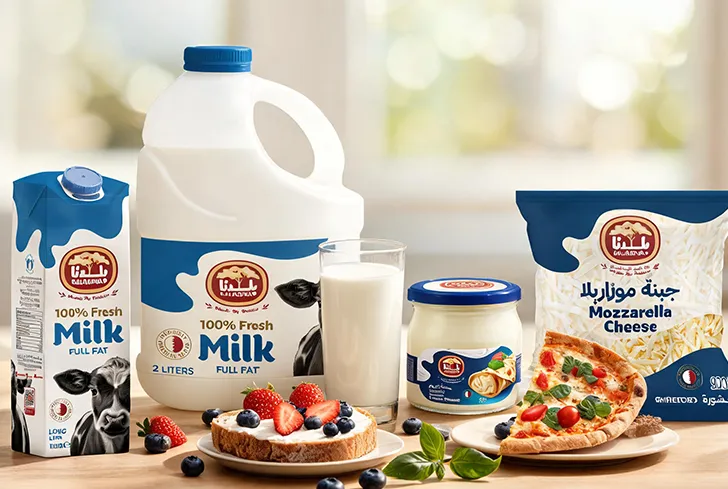
Blog Fat-Free vs. Full-Fat Milk: Which is the Better Option?
11 September, 2026

Fat-Free vs. Full-Fat Milk: Which is the Better Option?
Similar

Milk is a highly favored drink across the globe. You can drink it straight, pour it over cereals, or add it to various dishes, providing a healthy addition to your meals.


There are numerous types of milk available in the market, making it difficult to know which one to choose. Two of the most common options include fat-free milk and whole milk. So how about we explore the nutritional differences between these two varieties to help you decide which one is right for you? 


What is fat-free milk?


Fat-free milk is exactly what it sounds like — milk that has had all of its fat removed. This process is typically achieved through a machine called a centrifuge, which separates the fat from the milk. The resulting product is a virtually fat-free drink, with less than 0.5% fat content.


What is whole milk?


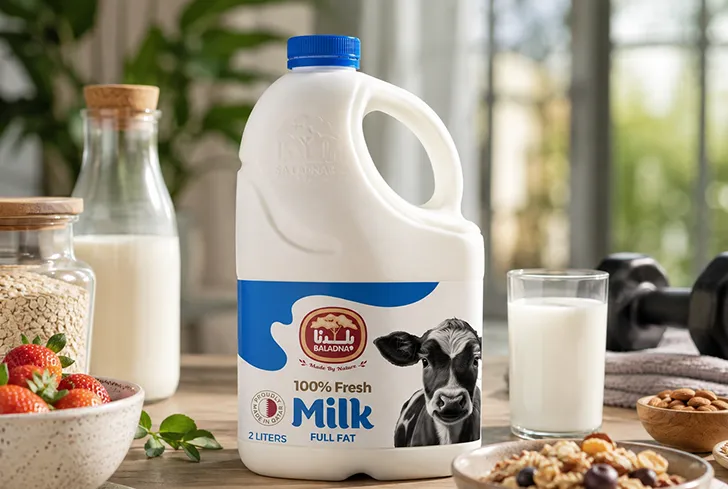
Whole milk, also called full-fat milk, is milk that has not had any fat removed. It typically contains around 3.5% fat, although this can vary slightly depending on the brand and the cow's diet.


Nutritional Differences


Now that we know what fat-free milk and whole milk are, let's take a look at the nutritional differences between the two.


1. Calories


When it comes to calories, fat-free milk is the clear winner. One cup contains just 83 calories, while a cup of the latter contains 149 calories. If you're trying to lose weight or maintain a healthy weight, opting for fat-free milk instead of whole milk can be a simple method to reduce calorie intake while still enjoying the flavor. While fat-free milk has the advantage in terms of calories, it's important to note that there are some benefits to drinking whole milk as well. These benefits include:


- Improved vitamin absorption: Many of the vitamins found in milk, such as vitamins A and D, are fat-soluble. This means they are better absorbed by the body when consumed with fat. Drinking whole milk can help ensure your body gets the most out of these important nutrients.


- Increased satiety: Fat is a nutrient that helps you feel full and satisfied after a meal. If you're drinking fat-free milk and find that you're still hungry after finishing your glass, switching to a full-fat one may help you feel more satiated.


- Better taste: Let's be honest: full-fat milk just tastes better than fat-free ones. The fat in whole milk gives it a creamy, rich flavor that is hard to replicate in fat-free milk. If you're someone who really enjoys the taste of milk, it may be worth choosing whole milk over fat-free milk simply for the flavor.


2. Protein


Both fat-free milk and whole milk are excellent sources of protein, with around 8 grams of protein per cup. Protein is an essential nutrient that helps build and repair tissue in the body, making it an important part of any healthy diet.


3. Calcium


Calcium is another important nutrient found in both fat-free milk and whole milk. A cup of fat-free milk contains around 300 milligrams of calcium, while a cup of whole milk contains slightly less, at around 276 milligrams. Calcium is essential for strong bones and teeth, making milk an important part of any bone-healthy diet.


So, what’s your choice? 


Which is better: fat-free milk or whole milk? The answer, as with most things, is that it depends on your individual needs and preferences. If you're looking to cut calories or reduce your fat intake, fat-free milk is a great option. However, if you enjoy the taste of milk and want to take advantage of the full-fat milk benefits, whole milk may be the way to go. Whatever you choose, incorporating milk into your diet is an easy way to ensure that you're getting important nutrients like protein and calcium.


Upgrade your dairy game with Baladna's 100% Qatari and high-quality milk products. As one of the largest cattle farms in the region, we guarantee authenticity and freshness in every sip. Get your hands on Baladna milk products today and experience the difference.

More Articles

Blog Food Watch: How Long Can I Leave My Block of Cheese Out?
14 May, 2024

Food Watch: How Long Can I Leave My Block of Cheese Out?

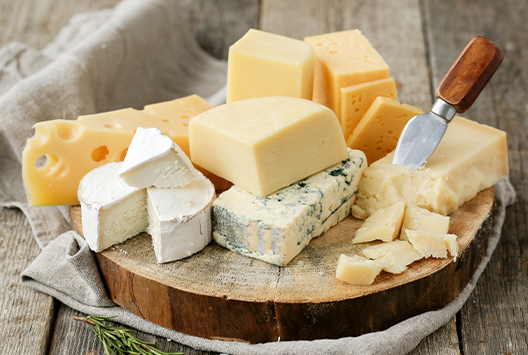
Cheese is a favorite among many, but not everyone cares for their cheese as much as they should. Everybody knows that leaving out uneaten food is terrible because it can lead to food contamination, mold growth, and it can attract pests. The same can be said about leaving certain foods unrefrigerated and that includes cheese. But worry not, we’re going to dive deep into storing tips and tricks regarding your favorite cheese. What is cheese? People make cheese by taking milk and introducing bacteria to it to create an acidic environment. This environment separates the milk into a solid curd and a liquid whey. They’ll cook, cut, and press the curd together to produce more whey. Next, they’ll add salt and other flavorings and let the dairy product age for several weeks or even longer to create cheese. How long have people been making cheese? People have been crafting cheese for thousands of years without mechanical refrigeration. Aging is a crucial part of the process, where they store blocks of cheese at moderate temperatures and leave them to mature for long periods. This step is critical in developing the best-tasting cheese and can take weeks, months, or even years. Can cheese go bad? The good news is that pasteurized cheese won’t likely cause stomach problems, even if you leave it out for a few days. People have pasteurized the milk used to make the cheese, which means they heated it to kill potentially harmful bacteria. However, if you leave it out for an extended time, the dairy product can spoil, and the bacteria will change its color, texture, flavor, and aroma. You must also be more careful with unpasteurized cheeses like Brie, Camembert, Feta, and other fresh cheeses as foodborne illnesses are more present. Such cheeses can be contaminated with different bacteria such as E. coli, salmonella, and listeria. Why can’t it go bad?The oldest and most common food preservation technique removes the water and oxygen bacteria needed to survive. It works best for cheese because it squeezes most of the water. Unfortunately, like most things, cheese can experience mold growth because of spores. Luckily, you can cut off the moldy parts, and the rest of the dairy product is safe to eat. While keeping certain cheeses at room temperature will not cause food poisoning, its quality will suffer because of the drying out and fat separation. Hard vs. Soft CheeseWhen it comes to storing, the type of cheese is the most important consideration. Hard cheeses will last longer and are less likely to cause health issues. However, soft cheeses - such as Brie, cream cheese, ricotta and others - must be handled more carefully. These cheeses, as well as unripened cheeses - such as halloum and akawi - should remain refrigerated at all times. They can be kept out for two hours tops. How long can you let cheese sit out? Depending on its type, cheese can stay out of the refrigerator for two hours tops if you store it in a cool place. You should store fresh, unripened cheeses in the fridge, while aged dairy products can stay out for up to a day. Moreover, anything you can’t eat within a day belongs in the refrigerator.Keeping it safe and cheesyCheese remains a popular dairy product because of its versatility and flavor. You can enjoy this food better by storing it properly and knowing how to use it for different foods. At Baladna, we strive to bring Qatar the freshest and most authentic products to help people enjoy their meal times better. Browse through our products today!

Blog Superfood Spotlight: The Health Benefits of Eating Yoghurt
14 May, 2024

Superfood Spotlight: The Health Benefits of Eating Yoghurt

Everyone knows food is essential for our health. Without nutritious food, we would not be able to maintain our health and energy levels needed for daily function. For this reason, we are all encouraged to eat healthy food and, as much as possible, avoid unhealthy options such as processed and fast food. Many foods are rich in nutrients, and yoghurt is no exception.Yoghurt is a product made from milk that has been fermented with lactic acid bacteria. This process gives yoghurt its unique flavor and creamy texture. Additionally, the fermentation process helps increase the nutritional content of yoghurt. It is considered a healthier alternative to other sweet treats, particularly ice cream, and is packed with essential nutrients to keep the body running. However, many people do not know that eating yoghurt as part of a diet goes a long way, so we will discuss some of the benefits below:The health benefits of yoghurtYoghurt is an excellent source of protein, calcium, and vitamins. It is full of essential amino acids and protein building blocks. This makes it an ideal choice for those looking to increase their protein intake. Yoghurt is also high in calcium - which is great for healthy bones and teeth. Many yoghurts are fortified with additional vitamins and minerals, such as vitamin D and B12, which are essential for various bodily functions.Yoghurt also contains probiotics, which are beneficial bacteria that can help improve digestion. Probiotics can help improve the balance of good bacteria in the gut and are believed to help reduce the risk of certain illnesses, such as inflammatory bowel disease. Additionally, yoghurt can help boost the immune system, as it contains beneficial bacteria and other compounds that can help fight off infections.Is there a right time for eating yoghurt?The great thing about yoghurt is that it can be eaten at any time. However, there are certain times that experts recommend consuming yoghurt, such as:Breakfast: Yoghurt is an excellent breakfast choice as it is a good source of protein, calcium, and probiotics. It can be eaten on its own or topped with fruit and nuts for added flavor and nutrition.As a dessert after your meal: Yoghurt is a great way to satisfy a sweet tooth without all the calories and fat of regular desserts. Even if you're not a yoghurt fan, you can mix it with fruit, honey, and nuts to create a delicious and healthy after-meal treat.As a snack: Yoghurt makes for a great snack in between meals. It is an excellent source of protein and calcium and can help keep you full until your next meal.When traveling: Yoghurt is a great snack to take with you when traveling. It is lightweight and easy to store and can help prevent hunger pangs when you're on the go.Choosing the right yoghurtNot all yoghurts are created equal, and when it comes to choosing the right yoghurt for your diet, there are a few things to consider. To help you with this, here are some helpful tips:1. Know your yoghurt preferencesFirst, consider your preferences. Do you like plain or flavored yoghurt? Do you prefer Greek or Icelandic yoghurt? Do you want a low-fat or full-fat variant? Your choices matter when picking the right yoghurt, so choose wisely.2. Choose unsweetened or unflavored yoghurtYoghurt is a healthy snack, so choose unsweetened and unflavored varieties. Avoid yoghurts that contain added sugars or artificial sweeteners because these can be unhealthy and add unnecessary calories.3. Choose a yoghurt with just the right amount of proteinProteins are essential for muscle growth and repair and help keep you feeling full. Look for yoghurts that contain at least 10 to 15 grams of protein per serving to satisfy your appetite and provide you with essential nutrients.4. Look for live culturesLook for yoghurts that contain live cultures, such as Lactobacillus acidophilus and Bifidobacterium. These cultures help break down lactose, a sugar variant found in dairy products. They also help keep your digestive system healthy.Fuel your body with the creamy goodness of yoghurt Yoghurt is an excellent choice for those leading a healthy lifestyle, so incorporating it into your diet is recommended. Many yoghurt variants are available, so it is only a matter of finding the one that best suits your taste. If you are looking for high quality yoghurt, Baladna has what you need! We offer various selections in different flavors as well as other dairy products, such as cheese, milk, and juices, for affordable prices.