Cheese & Mold: Separating the Edible From the Toxic
Similar
Cheese is a popular and delicious food that has been enjoyed for centuries. However, sometimes cheese can develop mold, which can be concerning for some people. While some molds on cheese are perfectly safe to eat, others can be harmful and even deadly. In this article, we will explore whether you can eat cheese if it has mold on it.
What causes mold on cheese?
Cheese is made from milk, which contains bacteria. During the cheesemaking process, these bacteria work to break down the lactose in the milk, creating lactic acid. The lactic acid helps to coagulate the milk and form curds, which are then pressed and aged to create cheese.
However, cheese is also a great environment for other types of bacteria, including mold. Mold spores are present everywhere in the environment, and when they land on cheese, they can start to grow and spread. The growth of mold on cheese is influenced by a variety of factors, such as the age of the cheese, the humidity of the environment, and the temperature at which the cheese is stored.
What types of mold are safe to eat?
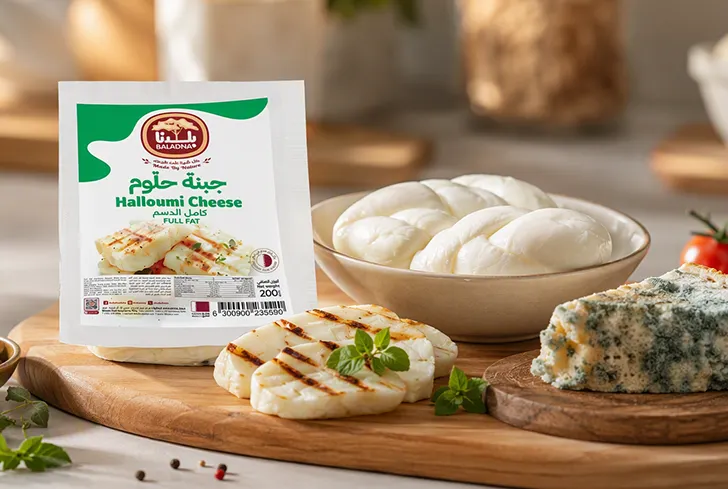
There are several types of mold that are safe to eat and are even used in the production of certain types of cheese. These include Penicillium roqueforti, which is used to make blue cheese, and Penicillium camemberti, which is used to make brie and camembert cheese. These molds are harmless and even beneficial, as they help give these cheeses their distinctive flavor and texture.
What types of mold are not safe to eat?
While some molds are safe to eat, others can be harmful or even deadly. One type of mold that is particularly dangerous is Aspergillus fumigatus, which produces a toxin called aflatoxin. Aflatoxin is a potent carcinogen that can cause liver damage and increase the risk of liver cancer. Another type of mold that is harmful is Stachybotrys chartarum, which can cause respiratory problems and even neurological damage.
How can you tell if mold on cheese is safe to eat?
It can be difficult to tell whether mold on cheese is safe to eat or not, as some molds can be harmless while others are dangerous. One way to tell is to look at the color of the mold. Safe molds are typically blue, green, or white, while dangerous molds are black or brown. Another way to tell is to smell the cheese. If it smells sour or rancid, it is likely that the mold has penetrated the cheese, and it should be discarded.
Can you cut the mold off cheese and still eat it?
Some people believe that you can simply cut the mold off cheese and still eat the rest. While this may be true for some types of cheese, it is not a reliable method for determining whether the cheese is safe to eat. Mold can penetrate the cheese and release toxins, which can be harmful even if you cut off the visible mold.
How can you prevent mold from growing on cheese?
To prevent mold from growing on cheese, it is important to store it properly. Cheese should be stored in the refrigerator in an airtight container or wrapped tightly in plastic wrap. It is also important to keep the cheese dry, as moisture can promote the growth of mold.
A final & cheesy note
If you are unsure whether the cheese is safe to eat, it is best to err on the side of caution and discard it. By storing cheese properly and being mindful of the risks associated with mold, you can enjoy this delicious food without putting your health at risk.
Looking for the best cheese for your diet? Look no further than Baladna! Our 100% Qatari farm provides authentic, fresh, and quality dairy products that are not only delicious but also healthy. Try our cheese today and taste the difference that comes from happy, well-cared-for cows!