Blog A Smoother After-School Routine
26 August, 2026

A Smoother After-School Routine

Download

A little routine can make after-school time feel much easier. Mila helps kids move from snack time to quiet moments, light play and family time, creating a simple flow for calmer afternoons at home.


Download

More Articles

Blog 6 Cheese Facts More People Should Know About
13 October, 2024

6 Cheese Facts More People Should Know About

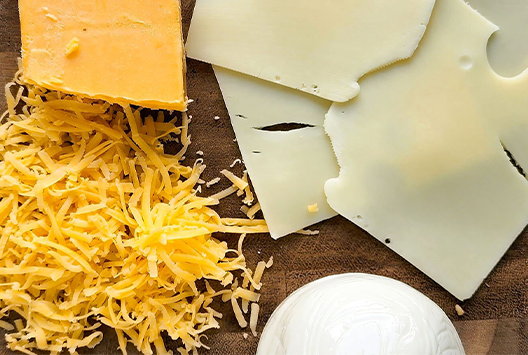
Cheese is a delicious and versatile food that has been enjoyed by people worldwide for centuries. Cheese is made from the milk of various animals, including cows, goats, and sheep. The first step in making cheese is pasteurizing the milk, which involves heating it to a specific temperature to kill harmful bacteria. Once the milk has been pasteurized, it is cooled and mixed with rennet, an enzyme that causes it to coagulate and form curds, eventually turning into the cheese we eat. However, few people know much about cheese, so we will discuss some facts you should know below: #1 - Cheese should be eaten sparinglyYou don't need to eliminate cheese from your diet completely. However, suppose you suffer from high cholesterol or high blood pressure. In that case, it's best to consume high-fat cheeses in moderation because certain roquefort, halloumi, feta, and cheese singles can be saltier than seawater. Cheese does, however, provide calcium and protein, making it acceptable in moderate amounts. To avoid temptation, maintain smaller servings of cheese and measure their weight. Opt for cheeses with a lower fat content like mozzarella, feta, cottage cheese, or those labeled as reduced-fat, as they contain lower amounts of saturated fat.#2 - Cheese can be addictiveStudies indicate that casein, a protein in dairy products and particularly abundant in cheese, produces opiates known as casomorphins during digestion. These opiates can indirectly provide a sense of comfort to the brain through hormones. If you consume a large amount of cheese, you might become used to its salty taste or develop a routine of eating it at specific times. Therefore, paying attention to your eating habits and slowly decreasing your cheese consumption is essential.#3 - Goat cheese is better than cow cheese Soft goat cheese has around 26g of fat per 100g, comparable to brie and edam, and roughly the same salt content as camembert. It is classified as a high-fat item, while cheeses like mozzarella, ricotta, and feta, typically made from sheep's milk or a blend of sheep's and goat's milk, have lower fat content.Goat cheese is often considered a better option for those with lactose intolerance compared to soft cow's milk cheeses. While it has a similar lactose content to semi-soft cheeses like brie or feta, it contains less lactose than moister cheeses such as ricotta and cottage cheese.#4 - Cheese can help keep the bones strongCheese is an excellent source of calcium. For example, a 30g serving of cheddar supplies more than 25% of an adult's daily needs. Nonetheless, other dairy products like yoghurt and milk are equally beneficial for bone health and contain less fat and salt. Cheese also has a minor quantity of vitamin D, a fat-soluble nutrient that aids calcium absorption from our diet. Dairy products with less fat, like semi-skimmed milk, have lower amounts of vitamin D than full-fat cheese.#5 - Reduced-fat cheese is a valid optionRemember that "reduced fat" does not automatically mean "low fat.” It simply indicates that the fat content is 25% lower than in the original version. To determine if the fat content is high (over 17.5g/100g), medium (3.1-17.5g/100g), or low (3g or less/100g), be sure to check the product's label.Additionally, you can cook and bake using low-fat cheese, but remember that it might take longer for low-fat hard cheese varieties to melt. To help with melting, grate the cheese finely and use low heat. When baking or grilling, these cheeses might create skin, so adding them closer to the end of the cooking time is better.#6 - Grated cheese is better than sliced  Many people use a smaller amount of cheese when grating it. A typical pre-sliced cheese weighs around 20-30 grams, and several slices are often used in a sandwich. However, you must be mindful of the portion size when grating cheese for use in sauces, toasted sandwiches, or baked potatoes, as it's pretty simple to use an excessive amount unintentionally.Say Cheese! Cheese is a delicious and beloved food enjoyed by people worldwide. However, it's essential to consume it in moderation and be aware of its nutritional value because it can be high in calories, fat, and sodium.If you are looking for high-quality dairy products, Baladna has what you need! We offer various healthy products, such as cheeses, yoghurt, milk, and fruit juices, all at affordable prices. Call us today at +974 4035 8888 to place an order!

Blog Say Cheese: How To Keep Your Cheese At Its Best
11 September, 2026

Say Cheese: How To Keep Your Cheese At Its Best

Picture this: you walk into your local cheese counter, eyes filled with wonder at the diversity. Excitedly, you bring your treasures home, only to forget about them in the depths of your fridge for weeks. When you finally remember your cheese, you're greeted with fuzzy mold patches. We know what a disappointment that can be and that’s why we’ve put together this article, revealing the secrets behind cheese preservation. Ready to dive into the fascinating world of cheese and uncover the best ways to keep it fresh and delicious? Cracking the cheese code: Understanding cheese typesAre you familiar with the cheese classification types? There are two key factors to consider: moisture content and the ripening process. The level of moisture in cheese influences its overall consistency and mouthfeel. Cheese can be soft, semi-hard, or hard, depending on its moisture levels. Soft cheeses like Feta, Brie and Gorgonzola are characterized by their creamy, spreadable texture, due to their high moisture content. Then you have Gouda, Provolone, and Muenster which fall under the semi-hard category. These cheeses are more balanced and versatile. Lastly, Aged Cheddar and Parmesan proudly claim their place among the hard cheeses. These types of cheeses have a very low moisture content. In addition to moisture levels, the ripening process also plays a role, with unripened, mold-ripened, and bacteria-ripened cheeses taking center stage. Unripened cheeses, also called fresh cheeses, skip the aging process and offer a delicate and creamy texture and flavor. Mold-ripened cheeses - such as Brie and Camembert - undergo a process where the mold culture transforms the texture and taste. Bacteria-ripened cheeses - such as Muenster - boast complex and robust flavors. Unveiling the mystery of cheese spoilageCheese has a life of its own, and understanding its timeline is crucial. First, let's decode the difference between a "best if used by/before" date and an "expiration" date. The USDA sets the record straight: the former indicates peak flavor, not safety. So don't despair if you spot your cheese past its "best by" date. Spoilage, however, is a different story altogether. When cheese goes bad, it's either way overripened and flavorless, or it can make you ill. But here's a cheesy secret: mold isn't always a villain. Hard and semi-hard cheeses like Cheddar, Gouda, and Parmesan can be rescued by cutting off at least an inch around and below the moldy spot. Remember, mold doesn't penetrate these resilient cheeses. Moldy soft cheeses, though? Beware! New mold on soft cheeses is a no-no. Say goodbye to black and pink patches — they're a sign that something has gone very wrong. Stick to the white mold on your soft cheeses and avoid any unexpected surprises.The art of cheesy longevity: How long does cheese last?Now let's talk about cheese lifespan. Soft cheeses, including washed-rind and bloomy-rind varieties, last about seven to ten days, depending on their ripeness when you bring them home. Firmer cheeses, such as aged Parmesan and Gouda, can survive for months, showcasing their impressive endurance. However, cheeses like Havarti and Cheddar typically last a few weeks. Keep an eye on blue cheeses—they can last up to two weeks, but beware as the "bluing" process continues. Remember, these are general guidelines. Each cheese has its quirks, so treat them with the respect they deserve.The magic of cheese scraps Instead of tossing leftover cheese or ignoring its existence in your fridge, make use of it in the kitchen! Use leftover cheese in mac and cheese or risotto for an extra dose of richness. And for those toast aficionados, smear-ripened cheeses on hot bread with a dollop of jam. It's a heavenly combination you will enjoy. It’s a wrap! Cheese, with all its delectable variations, deserves our utmost care. By understanding cheese types, recognizing spoilage signs, and mastering storage techniques, we can extend the life of our cheeses and prevent unnecessary waste. While preserving cheese is essential, savoring it is the ultimate goal. So go forth, enjoy your cheese, and let the magic unfold! If you're a cheese lover who values authenticity, freshness, and quality, then you should definitely try Baladna cheese! As a 100% Qatari brand, Baladna takes pride in providing dairy products that are not only delicious but also ethically produced. With one of the largest cattle farms in the region, spanning over an area of 2.6 million sqm and a capacity to house up to 24,000 cows, Baladna ensures that its cows are kept in a comfortable and well-conditioned environment, allowing them to reach their production capacity comfortably. So, if you want to experience the taste of fresh and authentic dairy products, try Baladna today!

Blog Mozzarella Magic: Why You Should Consider Eating More of This Cheese
13 May, 2024

Mozzarella Magic: Why You Should Consider Eating More of This Cheese

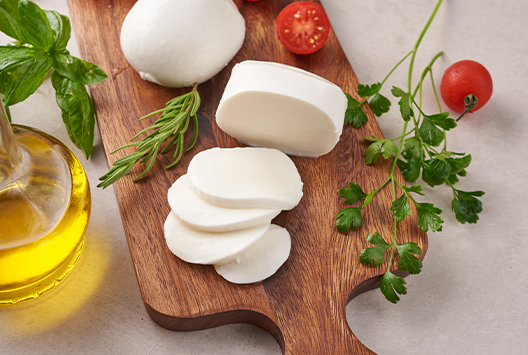
Who doesn't love mozzarella cheese? Its melt-in-your-mouth texture and subtle flavor make it a crowd favorite. It is great in pizzas, salads, and sandwiches and a must-have in dishes like lasagna and quiche.The best part is that mozzarella is not just delicious, but also offers a wide range of health benefits. You read that right and we’re here to list some of them for you:It’s a great source of proteinAre you looking for ways to increase your daily protein intake? If so, you should definitely consider adding some mozzarella cheese to your diet. Mozzarella cheese is a type of cheese that is often made from cow’s milk or a combination of cow’s milk and goat’s milk. That makes it a great source of protein, which we all know is important for muscle growth and the proper functioning of the immune system. A single serving of mozzarella cheese can provide up to 12 grams of protein, so make sure to buy some mozzarella cheese on your next grocery shopping spree! It’s good for bone health Mozzarella cheese is a great source of calcium, which means it can help with the development of strong and healthy bones. Additionally, mozzarella cheese is a good source of phosphorus, which also plays an important role in bone health. Phosphorus helps to absorb and use calcium and makes up a large portion of the bone itself. Eating mozzarella cheese can help maintain a healthy calcium-phosphorus balance which is necessary for strong and healthy bones.Mozzarella cheese is also a great source of vitamin D, which helps the body absorb and use calcium and also helps maintain healthy levels of calcium in the blood. It’s rich in vitamin B2Mozzarella cheese is an excellent source of riboflavin, also known as vitamin B2, which is an essential nutrient that helps break down carbohydrates, proteins, and fats and helps the body produce energy from the food we eat. Riboflavin is also important for the production of red blood cells, which help carry oxygen throughout the body. In addition, riboflavin helps to convert vitamin B6 and folate into forms that can be used by the body.Eating mozzarella cheese is an easy way to increase your riboflavin intake, as just one ounce of mozzarella cheese contains roughly 0.2 milligrams of riboflavin, which is about 15 percent of the recommended daily intake for adults.It’s filled with biotin Mozzarella cheese is a great source of biotin, which plays an important role in metabolism and aids in the breakdown of certain fats and proteins. It also helps to maintain healthy skin and hair while also aiding in the production of energy. Eating more mozzarella cheese is an easy way to increase your biotin intake and reap the benefits of this essential nutrient.Say cheese! Mozzarella cheese is an excellent food choice due to its high nutritional value and versatility. It is a great source of protein, calcium, phosphorus, riboflavin, and biotin, all of which play a crucial role in maintaining a healthy body. Its mild flavor and versatility make it a great addition to any meal. Eating more mozzarella cheese is an easy and delicious way to enjoy the many health benefits it has to offer.Maintain a healthy body without sacrificing taste with the help of Baladna mozzarella cheese. Produced from fresh farm milk, we offer an array of authentic Arabic cheeses, including Akawi, Halloumi, Majdoula, Moshalal, and Nabulsi. Order now!