Blog Sudoku Challenge
26 August, 2026

Sudoku Challenge

Download

Ready to put your thinking skills to the test? Download the image and solve the Sudoku!

Download

More Articles

Blog Baladna Cheese Varieties & Recipe Inspos
23 June, 2025

Baladna Cheese Varieties & Recipe Inspos

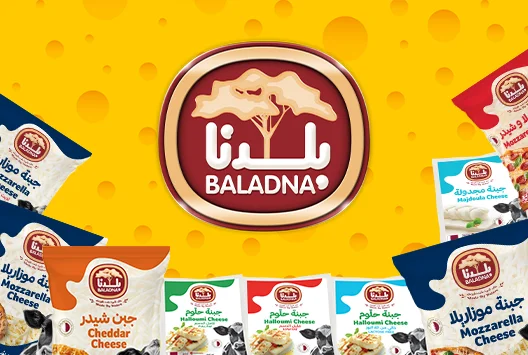
Whether you’re enjoying a casual snack or crafting a show-stopping centerpiece for your dining table, Baladna Cheese is sure to delight every palate. What truly sets Baladna Cheese apart is its authentic flavor, fresh texture, and diverse variety. Don’t just take our word for it — try it yourself and taste the difference!Let’s talk about the exceptional nourishing flavorBaladna cheese isn't just about great taste; it’s also a source of essential nutrients. Packed with protein, calcium, and phosphorus, our cheeses provide a nutritious boost for those aiming to maintain a balanced diet. They are rich in high-quality protein, delivering essential amino acids that support muscle repair and promote healthy skin, hair, and nails. Additionally, calcium and phosphorus work together to fortify your bones and teeth, contributing to overall skeletal health. Having said that, it’s clear that choosing Baladna cheese means nurturing your body while indulging in delightful flavors.Introducing the Baladna Cheese CollectionWhat truly sets Baladna cheese apart is its rich variety and distinct flavors. Here’s a taste of what we offer:Halloumi: Known for its firm texture and savory, salty profile, Baladna Halloumi is perfect for grilling or pan-searing. Its signature squeaky bite and beautifully browned edges make it a great addition to salads, skewers, or even atop avocado toast.Akawi: This semi-hard white cheese boasts a mild, salty flavor and smooth consistency. Traditionally featured in Middle Eastern sweets like knafeh, Baladna Akawi goes really well with fresh watermelon or other refreshing fruits. Feta: A brined cheese with a crumbly texture and tangy, slightly salty flavor, Baladna Premium Feta adds a zesty touch to salads, sandwiches, and classic Mediterranean dishes such as spanakopita and moussaka.Nabulsi: Made from pasteurized cow's milk, Nabulsi is a brined cheese with a subtly firm texture and a hint of nuttiness. It shines in both savory and sweet applications, whether used to stuff pastries or paired with honey and nuts. What to make with each variety?Feta x Salad: Create a vibrant Greek salad by combining Baladna Premium Feta Cheese with juicy tomatoes, crisp cucumbers, Kalamata olives, and fresh mint.Halloumi x Breakfast: Elevate your morning meals by grilling slices of Baladna Halloumi and adding them to your scrambled eggs or on top of nutritious avocado toast.Cheese Rolls x Appetizer: Make homemade cheese rolls using a blend of Baladna Halloumi and Akawi, perfect as appetizers for your Ramadan feasts and family gatherings.Mozzarella x Eggplants: Hollow out eggplants and fill them with a mixture of ground meat, spices, and Baladna Shredded Mozzarella Cheese, then bake until bubbly and golden.Now it’s time to explore the countless options within our cheese range. Browse our selection and find your favorites at supermarkets near you.

Blog Fat-Free vs. Full-Fat Milk: Which is the Better Option?
11 September, 2026

Fat-Free vs. Full-Fat Milk: Which is the Better Option?

Milk is a highly favored drink across the globe. You can drink it straight, pour it over cereals, or add it to various dishes, providing a healthy addition to your meals.There are numerous types of milk available in the market, making it difficult to know which one to choose. Two of the most common options include fat-free milk and whole milk. So how about we explore the nutritional differences between these two varieties to help you decide which one is right for you? What is fat-free milk?Fat-free milk is exactly what it sounds like — milk that has had all of its fat removed. This process is typically achieved through a machine called a centrifuge, which separates the fat from the milk. The resulting product is a virtually fat-free drink, with less than 0.5% fat content.What is whole milk?Whole milk, also called full-fat milk, is milk that has not had any fat removed. It typically contains around 3.5% fat, although this can vary slightly depending on the brand and the cow's diet.Nutritional DifferencesNow that we know what fat-free milk and whole milk are, let's take a look at the nutritional differences between the two.1. CaloriesWhen it comes to calories, fat-free milk is the clear winner. One cup contains just 83 calories, while a cup of the latter contains 149 calories. If you're trying to lose weight or maintain a healthy weight, opting for fat-free milk instead of whole milk can be a simple method to reduce calorie intake while still enjoying the flavor. While fat-free milk has the advantage in terms of calories, it's important to note that there are some benefits to drinking whole milk as well. These benefits include:- Improved vitamin absorption: Many of the vitamins found in milk, such as vitamins A and D, are fat-soluble. This means they are better absorbed by the body when consumed with fat. Drinking whole milk can help ensure your body gets the most out of these important nutrients.- Increased satiety: Fat is a nutrient that helps you feel full and satisfied after a meal. If you're drinking fat-free milk and find that you're still hungry after finishing your glass, switching to a full-fat one may help you feel more satiated.- Better taste: Let's be honest: full-fat milk just tastes better than fat-free ones. The fat in whole milk gives it a creamy, rich flavor that is hard to replicate in fat-free milk. If you're someone who really enjoys the taste of milk, it may be worth choosing whole milk over fat-free milk simply for the flavor.2. ProteinBoth fat-free milk and whole milk are excellent sources of protein, with around 8 grams of protein per cup. Protein is an essential nutrient that helps build and repair tissue in the body, making it an important part of any healthy diet.3. CalciumCalcium is another important nutrient found in both fat-free milk and whole milk. A cup of fat-free milk contains around 300 milligrams of calcium, while a cup of whole milk contains slightly less, at around 276 milligrams. Calcium is essential for strong bones and teeth, making milk an important part of any bone-healthy diet.So, what’s your choice? Which is better: fat-free milk or whole milk? The answer, as with most things, is that it depends on your individual needs and preferences. If you're looking to cut calories or reduce your fat intake, fat-free milk is a great option. However, if you enjoy the taste of milk and want to take advantage of the full-fat milk benefits, whole milk may be the way to go. Whatever you choose, incorporating milk into your diet is an easy way to ensure that you're getting important nutrients like protein and calcium.Upgrade your dairy game with Baladna's 100% Qatari and high-quality milk products. As one of the largest cattle farms in the region, we guarantee authenticity and freshness in every sip. Get your hands on Baladna milk products today and experience the difference.


Blog 5 Nutritional Benefits of Sour Cream
13 May, 2024

5 Nutritional Benefits of Sour Cream

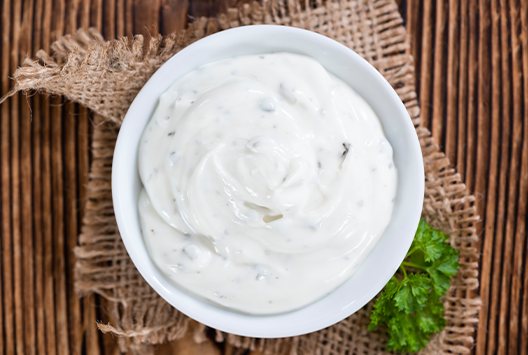
Sour cream is a versatile and popular dairy product known for its slightly tangy, creamy texture and flavor. A staple in numerous dishes, including dips, sauces, soups, and salads, sour cream isn't just delicious—it also offers a range of nutritional benefits. Here’s a look at some of them: 1. Good source of healthy fatsSour cream is a dairy product made by adding lactic acid bacteria to the cream. It is high in fat but is a source of healthy fats. It has been used in recipes for centuries and has a tangy, creamy consistency.Sour cream is also rich in monounsaturated and polyunsaturated fats, which are considered to be the healthiest types of fats as they help reduce unhealthy cholesterol levels, lower the risk of heart disease, and promote healthy blood sugar levels.2. Good source of proteinAdding sour cream to your diet can help increase your daily protein intake. A single tablespoon contains almost 1 gram of protein, which is 2% of the daily recommended value.In addition to its protein content, sour cream is an excellent source of other nutrients. It contains large amounts of calcium and phosphorus, essential for bone health, and vitamins A and E.3. Can help you absorb more nutrientsSour cream contains lactic acid bacteria that can help break down proteins and fats in food, making it easier for the body to absorb vitamins and minerals. It can also help improve digestion, further aiding in nutrient absorption.Not only can sour cream help you absorb more nutrients, but it can also act as a source of those nutrients. Sour cream is high in calcium, phosphorus, and vitamin A, essential for maintaining healthy bones and teeth. If you're looking for a way to get more of these essential nutrients, adding a dollop of sour cream to your meals can be a great way to do so.4. Can help you lose weightSour cream can help you lose weight by providing a healthy source of protein which can reduce cravings and keep your metabolism running at a high level.It is excellent weight loss food as it is rich in vitamins and minerals, including calcium, potassium, and vitamin A, which are important for health and weight loss.5. Can help lower your cholesterolWhen it comes to heart health, one of the most important nutritional considerations is cholesterol. High cholesterol levels can increase the risk of heart disease and stroke. Fortunately, several foods can help lower cholesterol, and one of them is sour cream.Sour cream is a good source of monounsaturated and polyunsaturated fats, which are the "good" fats that can help reduce harmful cholesterol levels. The lactic acid bacteria used to make sour cream can also help lower cholesterol levels by increasing the production of HDL (high-density lipoprotein), the "good" cholesterol.

Blog Perfect Feta Cheese Pairings for Every Occasion
26 June, 2025

Perfect Feta Cheese Pairings for Every Occasion

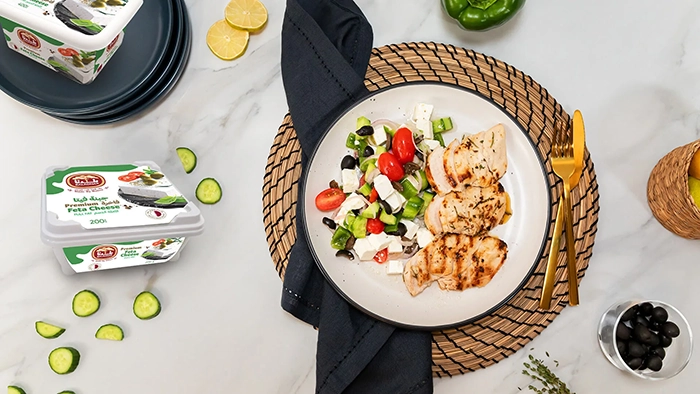
Feta cheese, with its crumbly texture and tangy flavor, is a beloved ingredient in many cuisines around the world. Its versatility makes it suitable for a number of dishes — from salads to pastries, and even as a standalone snack. Whether you’re hosting a gathering or preparing a simple family meal, here are some perfect pairings for feta cheese that will surely leave you and your guests impressed: 1. Fresh SaladsFeta cheese is a natural fit for salads, adding a creamy texture and a burst of flavor. Combine it with fresh arugula, cherry tomatoes, cucumber, and red onion, and drizzle with olive oil and lemon juice. For a Mediterranean twist, try adding kalamata olives and roasted bell peppers. The salty and tangy feta complements the crispness of the vegetables perfectly.2. Mediterranean Mezze PlatterCreate a delightful mezze platter featuring Baladna Premium Feta alongside an assortment of olives, hummus, roasted eggplant, and warm pita bread. This combination is perfect for entertaining guests, allowing them to mix and match flavors. 3. Savory PastriesFeta cheese can add depth and flavor to various baked goods. Try mixing it with spinach and herbs for a delicious filling in savory pastries like spanakopita or rakakat jebneh. The flaky pastry and creamy feta create a delightful contrast in texture that will impress your guests.4. Roasted VegetablesRoasting vegetables brings out their natural sweetness, and adding feta cheese enhances their flavor. Toss seasonal vegetables like zucchini, bell peppers, and cherry tomatoes with olive oil, salt, and pepper, then roast until tender. Crumble Baladna Premium Feta on top just before serving for a tangy finish that complements the sweetness of the vegetables.5. Pasta DishesFeta cheese can be a wonderful addition to both cold and hot pasta dishes. In a cold pasta salad, mix cooked pasta with cherry tomatoes, basil, and a generous sprinkle of feta. For a warm dish, toss cooked pasta with sautéed spinach, garlic, and feta for a quick and tasty meal that is sure to satisfy.A Final Note on FetaWhether you're preparing a light salad, a hearty pasta dish, or a savory pastry, Baladna Premium Feta can elevate your meals with its rich flavor and creamy texture.